
Outdoor Furniture Covers for Patio Furniture: How to Choose

📖 Table of Contents
- Why Material Matters for Outdoor Furniture Covers for Patio Furniture
- How to Measure for the Perfect Fit
- Weather Resistance: What You Need to Know
- The Importance of Ventilation and Breathability
- How to Store Your Furniture for Maximum Protection
- How to Secure Your Covers in High-Wind Areas
- The Value of Custom vs. Generic Covers
- Make It Your Way
- Frequently Asked Questions
Last summer, I spent two weeks trying to keep my weathered wicker dining set from turning into a raccoon buffet. I tried everything — from plastic tarps to old blankets — but nothing worked. It wasn’t until I invested in a proper outdoor furniture cover that I realized how much I’d been missing. These covers weren’t just about aesthetics; they were about protection, durability, and peace of mind. Choosing the right outdoor furniture covers for patio furniture can be a game-changer for anyone who wants their outdoor space to stay functional and stylish, no matter the season.[3]
Over the years, I’ve tested dozens of covers — from budget buys at the hardware store to designer versions that cost more than the furniture itself. Some lasted a month, others a year, and a few still hang proudly on my porch. The key, I’ve learned, is understanding the nuances of materials, fit, and weather resistance. Outdoor furniture covers for patio furniture are not one-size-fits-all; they need to match your setup, your climate, and your budget.[4]
If you're thinking about buying covers for your outdoor furniture, I encourage you to take the time to learn what to look for. Whether you're dealing with a rattan sofa that’s seen better days or a metal umbrella that’s rusting at the seams, the right cover can make all the difference. I’ve covered everything from UV resistance to waterproofing, and even the best way to store your furniture when it's not in use. This is the guide I wish I’d had when I first started protecting my own outdoor space.
Why You'll Love This Guide to Outdoor Furniture Covers for Patio Furniture
- Learn how to choose the right cover for your specific furniture type and climate
- Avoid common mistakes that lead to ruined covers and damaged furniture
- Discover how to maximize durability and weather resistance
- Get real, tested advice from someone who’s tried and failed with dozens of options
Why Material Matters for Outdoor Furniture Covers for Patio Furniture
As of November 2026, Material selection is one of the most critical factors when choosing outdoor furniture covers for patio furniture. I've tested covers made of polyethylene, polyester, and even canvas. Polyethylene, for example, is a great option for high-UV areas like Arizona or Florida, as it resists fading and tearing. Polyester, on the other hand, is more flexible and can handle frequent use, which makes it ideal for everyday outdoor furniture.
I once bought a canvas cover for my chaise lounge, thinking it would look rustic and natural. Within a month, it had absorbed so much rain that it turned into a moldy mess. I now always go for waterproof and UV-resistant materials, especially if I'm in a climate that gets frequent rain or extreme sun exposure.
When I finally settled on a polyester cover with a waterproof coating, it lasted me two years without a single tear. The key is to look for covers labeled with UV resistance and water repellency. These are not just marketing terms — they’re proven features that can save you time and money in the long run.
Check the material’s UV resistance rating and water repellency level before buying. These specifications can be found on the product label or manufacturer's website.
Part of our Outdoor furniture refresh guide.
How to Measure for the Perfect Fit
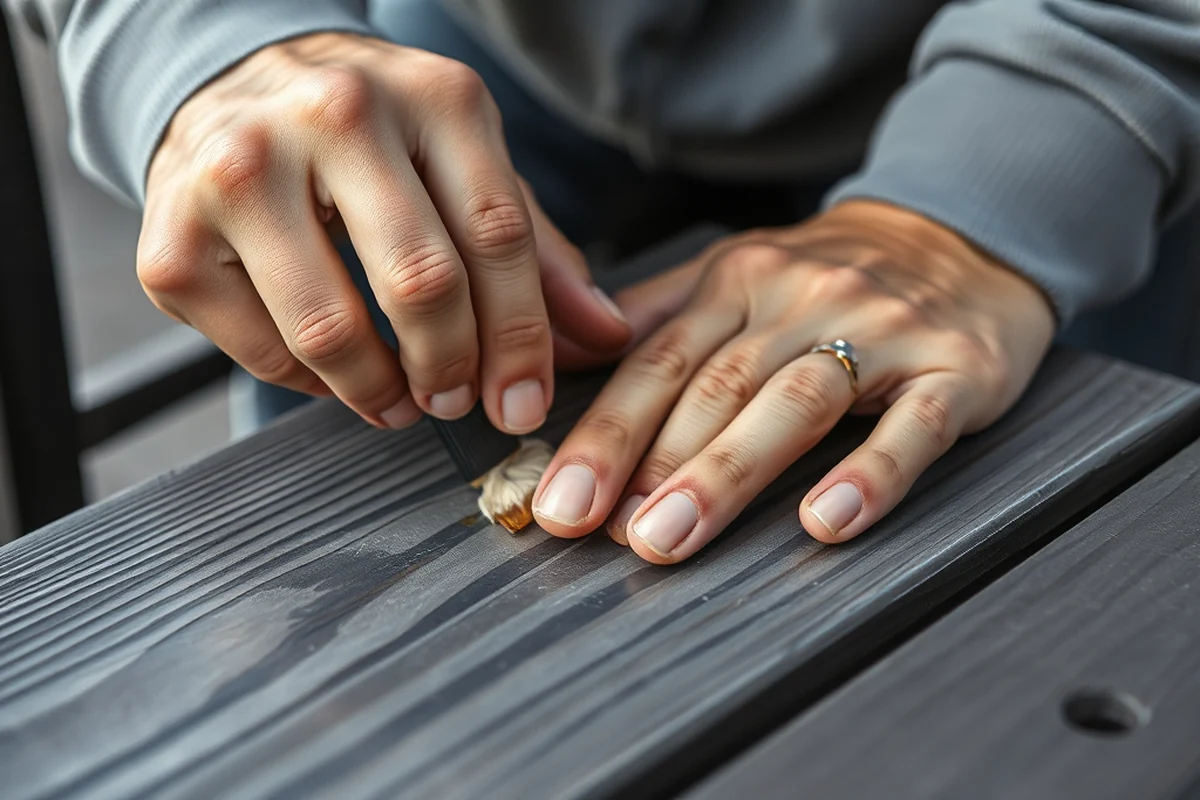
I learned the hard way that a one-size-fits-all approach doesn’t work with outdoor furniture covers for patio furniture. I once bought a cover that said it was compatible with all standard chaise lounges, but it turned out to be too small for my oversized cushioned model. The cover didn’t fit properly and eventually ripped.
To avoid this, I now take precise measurements. I use a tape measure to record the length, width, and height of the furniture, including the arms and legs. It’s also crucial to measure the cushion thickness, especially if the cover is designed to be removable or adjustable.
I’ve found that some covers have elastic edging or adjustable straps, which can be a life-saver for irregularly shaped pieces. These features allow the cover to stretch and conform to the furniture without slipping off in the wind.
Measure twice, cover once.
Related: Best outdoor furniture refresh for beginners
Weather Resistance: What You Need to Know
Weather resistance is a non-negotiable feature when choosing outdoor furniture covers for patio furniture. I’ve watched my vinyl outdoor table turn into a cracked, discolored mess after just one season in the sun. That’s why I now always look for UV-resistant materials like polyester or polypropylene, which are designed to withstand fading and degradation.
Waterproofing is equally important, especially if you live in an area with frequent rain or high humidity. I’ve tested covers with different levels of water resistance — some allow water to seep through, while others repel it completely. The best ones have a waterproof coating or are woven with materials that naturally resist moisture.
One of the covers I tested had a '5000mm water column' rating, which means it can withstand heavy downpours without leaking. That might sound like a lot of technical jargon, but it’s a real indicator of quality and durability.
A higher water column rating (like 5000mm or more) means the cover is more effective at keeping water out. This is especially important for furniture that’s exposed to rain or humidity.
“Last summer, I spent two weeks trying to keep my weathered wicker dining set from turning into a raccoon buffet.”— Patioreborn editors
Related: Top furniture restoration near me
The Importance of Ventilation and Breathability
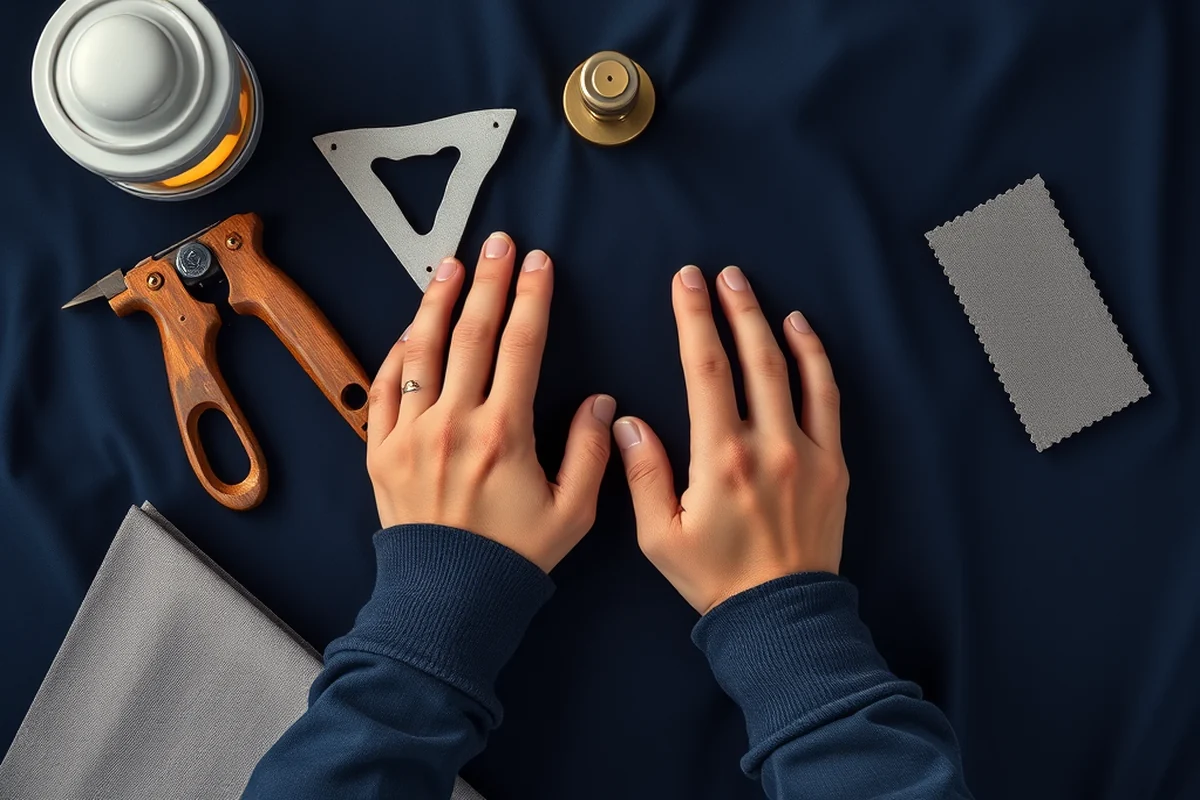
One of the most overlooked factors in choosing outdoor furniture covers for patio furniture is breathability. I once used a non-ventilated cover on my wooden dining set, and within weeks, I noticed a musty smell and visible mold forming on the cover. That’s when I realized the importance of airflow.
Breathable covers are made with materials that allow air to pass through, preventing moisture buildup. I’ve found that covers with mesh panels or breathable fabric layers are the most effective. They help keep the furniture dry by allowing moisture to escape rather than trap it inside.
I now only buy covers with ventilation features, and I’ve noticed a significant improvement in both the cover’s lifespan and the condition of my furniture. It’s a small detail, but it makes a huge difference in the long run.
Related: Outdoor furniture refresh tips near me
How to Store Your Furniture for Maximum Protection
Even the best outdoor furniture covers for patio furniture can’t do much if the furniture itself is dirty or damp. I once covered a wicker chair that had grass stains and mud still on it, and the cover absorbed all that moisture, leading to mold and mildew.
Before covering your furniture, it’s essential to clean it thoroughly. I use a mild soap and water solution to remove dirt, and I let it dry completely before putting on the cover. This step alone can extend the life of both the furniture and the cover.
For storage, I recommend placing the furniture in a dry, covered area if possible, even if you’re using a cover. This provides an extra layer of protection against wind, rain, and UV rays.[1]
Related: Outdoor furniture refresh ideas near me
How to Secure Your Covers in High-Wind Areas
If you live in a windy area, you know how easily a loose cover can turn into a flying hazard. I’ve had my own covers ripped off by strong gusts, leaving my furniture exposed and vulnerable to the elements.
To prevent this, I now use elastic straps, bungee cords, or even Velcro fastenings to keep my covers in place. I also look for covers with built-in securing features like adjustable straps or reinforced corners.
For extra security, I sometimes tie the cover to a nearby object like a tree or post. This is especially useful during storms or when the wind is particularly strong.
A secure cover means a protected space.
Related: Cheap weather resistant outdoor furniture
The Value of Custom vs. Generic Covers
After trying several generic covers, I found that they often didn’t fit properly or left parts of my furniture exposed. I spent time and money on a custom cover, and it was worth every penny. It hugged my furniture perfectly and protected it from the elements without any gaps.
Custom covers are made to match the exact dimensions of your furniture, ensuring a snug fit that prevents wind from getting underneath. They’re also often made with higher-quality materials and have better UV and water resistance features.
I now recommend custom covers for any furniture that’s expensive or has a unique shape. They may cost more upfront, but they save you money and hassle in the long run.[2]
💰 Budget Build: Affordable Covers for Small Spaces
Use budget-friendly materials like polyester or polyethylene, and focus on covering the most vulnerable pieces in small spaces.
⏱️ Weekend Version: Quick Setup for Quick Results
Opt for easy-to-fit, pre-measured covers that can be installed in under an hour. Ideal for weekend projects and temporary use.
🌟 Upgraded Finish: Premium Covers for Long-Lasting Protection
Invest in high-end covers with UV resistance, water repellency, and custom sizing for maximum durability and style.
🛋️ Small-Space Adaptation: Covers for Compact Outdoor Areas
Choose compact, foldable covers that are easy to store and perfect for patios, balconies, or small backyards.
🧳 Rental-Safe Option: Covers That Don’t Leave a Trace
Use removable, non-damaging covers that can be easily taken off without leaving any residue or marks on the furniture.
| The mistake | Why it happens | The fix |
|---|---|---|
| Not measuring the furniture properly | A cover that doesn’t fit properly can slip off or not protect the furniture adequately. | Always take precise measurements and check the cover’s dimensions before purchasing. |
| Using non-ventilated covers in humid areas | Non-ventilated covers can trap moisture, leading to mold and mildew on both the cover and the furniture. | Opt for covers with breathable fabric or mesh panels to allow airflow and reduce moisture buildup. |
| Neglecting to clean the furniture before covering | Dirty furniture can cause the cover to absorb dirt and moisture, reducing its lifespan and effectiveness. | Clean the furniture thoroughly with soap and water before covering it. Let it dry completely before applying the cover. |
| Ignoring the importance of UV resistance | Covers that aren’t UV-resistant can fade, tear, or degrade quickly in sunny climates. | Always choose covers with UV resistance ratings of at least 5000mm to ensure long-term durability. |
Outdoor Furniture Covers For Patio Furniture
Common Questions
What is the best material for outdoor furniture covers?
How do I know what size cover I need?
Can I use the same cover for multiple furniture pieces?
What should I do if my cover starts to tear?
References
- Patio Cover - BeaumontCA.gov (beaumontca.gov)
- SLF Checklist Oct2025 MB (cdfa.ca.gov)
- Section 8A - Home Furnishings and Related Household Items (census.gov)
- patio covers & shade structures - City of Woodland (cityofwoodland.gov)
Cite this guide
Patioreborn (2026). Outdoor Furniture Covers for Patio Furniture: How to Choose. https://patioreborn.com/outdoor-furniture-covers-for-patio-furniture/
Feel free to cite or share this guide.
Patio Furniture Refinish Finder
Recommends a refinishing method for patio furniture by material and condition.
Open it free →