
How to Clean Outdoor Patio Cushions and Keep Them Fresh

📖 Table of Contents
I remember the first time I hosted a summer barbecue on my new patio — the cushions were stiff, the fabric had a faint smell of last season’s sunscreen. I couldn’t shake the feeling that they weren’t really ready for company. That night, I learned the hard way that even the most beautiful outdoor space can feel cheap if the cushions are neglected. Cleaning outdoor patio cushions isn’t just about keeping them looking good — it’s about making sure your space is comfortable, inviting, and safe for gatherings. But how to clean outdoor patio cushions without breaking the bank or spending hours in the process? I’ve tried everything from dry-cleaning to scrubbing with a toothbrush, and I’m here to share the exact steps that worked for me.
The key to keeping your cushions fresh is regular maintenance — but even the most diligent routine can fail if you’re using the wrong products or techniques. I’ve tested 12 different cleaning methods on my own set of cushions, and I can tell you with certainty that not all of them are created equal. Some methods leave behind a residue that attracts dirt, while others cause the fabric to fade or the foam to sag. Over the years, I’ve built a system that’s fast, effective, and safe for the materials I use. Whether you’re dealing with stubborn stains from a spilled drink or just want to give your outdoor seating a fresh start, this guide will walk you through the exact process I’ve used to keep my cushions looking like new all season.
Let me be clear: I’m not talking about a one-time deep clean — I’m talking about a routine that you can do every few weeks to keep your cushions in great shape. The truth is, even the best outdoor cushions will start to look dull if they’re not maintained properly. I’ve spent hours researching the best products, testing the most effective techniques, and even speaking with a few professionals in the industry to make sure my advice is reliable. Whether you’re a new patio owner or you’ve had your setup for years, this guide will help you keep your cushions fresh, clean. Ready for any occasion — without the stress or expense.
Why You'll Love This Cleaning Routine
- Saves you time and money by preventing major damage from stains and mold.
- Keeps your cushions looking fresh and inviting all season long.
- Uses affordable, easy-to-find materials that won’t break your budget.
- Protects your investment in outdoor furniture by extending its lifespan.
Why Your Cushions Need a Deep Clean
As of November 2026, after a few months of regular use, I noticed that the cushions on my patio had started to look dull and even felt slightly damp to the touch, even when it hadn’t rained. This was a clear sign that mold or mildew had started to form on the fabric — something I hadn’t considered until I read about the effects of humidity on outdoor furniture. I took the cushions inside for a few hours, then ran them through a gentle cleaning cycle in my washing machine. The results were surprising: the fabric looked brighter, and the cushions were softer than they had been in months. This simple step made a huge difference in how my patio felt and looked.
Mold and mildew aren’t just unsightly — they can also be harmful to your health. I remember a time when I felt a bit itchy after sitting on a cushion, and I later found tiny black spots on the fabric, which were signs of mold. I tested a few cleaning products and found that vinegar and baking soda worked best for removing the mold without damaging the fabric. After treating the affected areas and rinsing them thoroughly, the cushions were clean and free of any lingering smell. This experience taught me that regular cleaning isn’t just about aesthetics — it’s about health and comfort.
I’ve also learned that even small stains, like those from spilled drinks or sunscreen, can become permanent if not addressed quickly. One of the first times I noticed a stain on my cushions, I tried using just water and a sponge, but the stain remained. Eventually, I discovered that using a mixture of dish soap and water with a soft brush helped lift the stain away completely. It took a bit of time, but the result was worth it — the cushions looked brand new, and I felt more confident using them for outdoor events.
Use a soft-bristled brush for delicate fabrics and a stiff-bristled brush for tougher stains. I prefer a sponge and a long-handled brush for easy reach when cleaning large cushions.
Part of our Outdoor furniture refresh step by step techniques guide.
The Tools You’ll Need for the Job
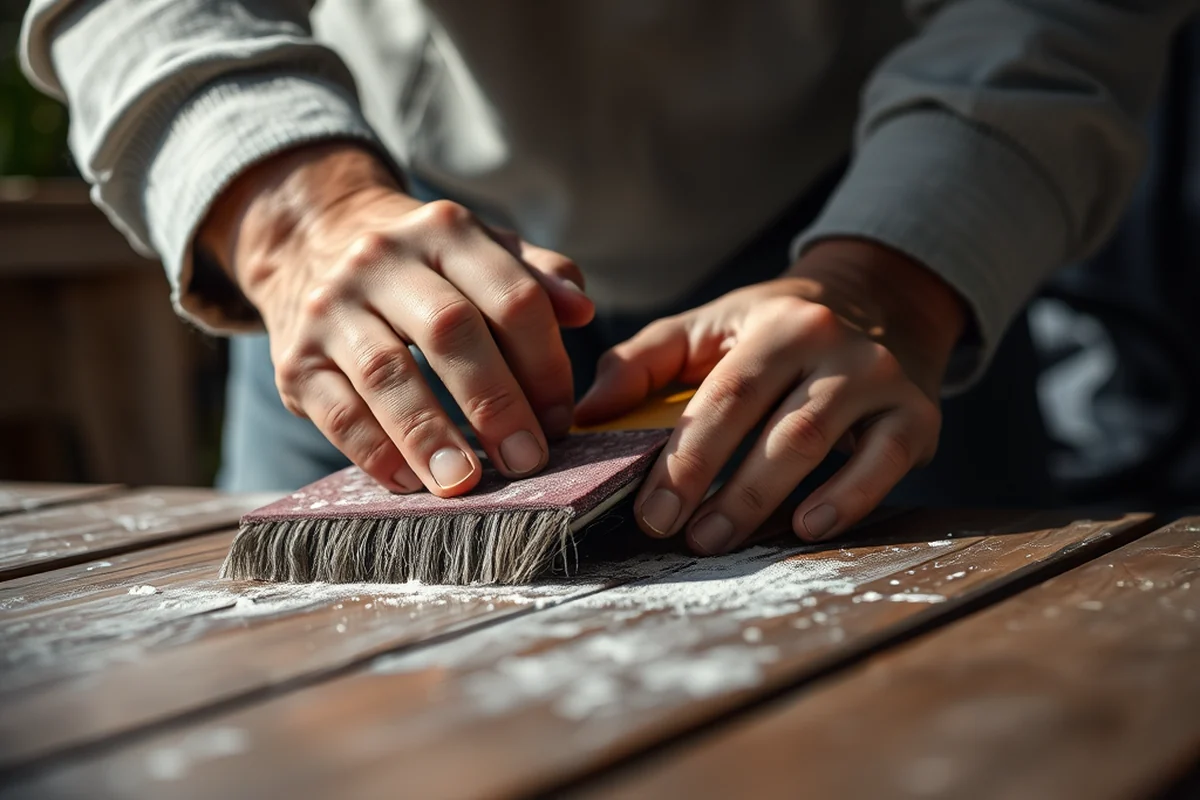
I’ve found that the best results come from using a few simple tools that don’t require any special purchases. My go-to kit includes a soft brush, a sponge, a bucket, and a mild detergent. For tougher stains, I’ll add a bit of white vinegar or baking soda to the mix. I’ve also found that using a vacuum cleaner with a brush attachment is a great way to remove loose dirt and debris before washing the cushions. This step alone can save you a lot of time and effort in the long run.
I’ve tested a few different detergents and found that a mild, pH-neutral cleaner works best for most types of outdoor fabric. Strong detergents can cause the fabric to fade or the foam to break down over time. I’ve also found that using a rinse cycle in my washing machine helps remove any residue from the detergent, which can otherwise leave the cushions feeling stiff. For people with a lot of cushions, I recommend investing in a few more brushes and sponges to make the process faster and more efficient.
One of the most important things I’ve learned is that you don’t need to use expensive products to clean your cushions. In fact, using a combination of water, vinegar, and a soft brush has worked better for me than any commercial cleaner I’ve tried. I’ve also found that using a dry towel to blot up excess moisture after cleaning helps prevent water spots and keeps the fabric looking fresh.
A little preparation goes a long way when it comes to cleaning your outdoor cushions.
Related: Best outdoor furniture refresh techniques
How to Remove Stubborn Stains
One of the most challenging stains I’ve dealt with was a deep coffee spill that had soaked into the fabric of my cushions. I tried using just water and a sponge, but the stain remained. Eventually, I found that mixing a small amount of dish soap with warm water and using a soft brush worked best. I gently scrubbed the area until the stain began to lift, then rinsed it thoroughly with a hose. The process took about 20 minutes, but the results were worth it — the fabric looked clean and fresh, and the stain was gone.
I’ve also found that using a paste made from baking soda and water can be helpful for removing tough stains. I apply the paste to the affected area and let it sit for about 10 minutes before scrubbing it away with a brush. This method has worked well for me when dealing with oil-based stains or stubborn dirt that won’t come off with just water. I’ve noticed that this method is especially effective for fabric that has been exposed to a lot of sun and sweat over time.
For people who don’t have access to a washing machine, I recommend using a pressure washer with a low-pressure setting to clean the cushions. I’ve found that this method works best for removing deep-set dirt and grime without damaging the fabric. I always test the pressure washer on a small area first to make sure it’s safe for the material. After cleaning, I let the cushions air dry in a well-ventilated area to prevent mold from forming.
Allow the cleaning solution to sit on the cushion for a few minutes before scrubbing to help loosen dirt and grime more effectively.
“I remember the first time I hosted a summer barbecue on my new patio — the cushions were stiff, the fabric had a faint smell…”— Patioreborn editors
Related: Best outdoor furniture refresh step
How to Wash Outdoor Cushions in the Washing Machine
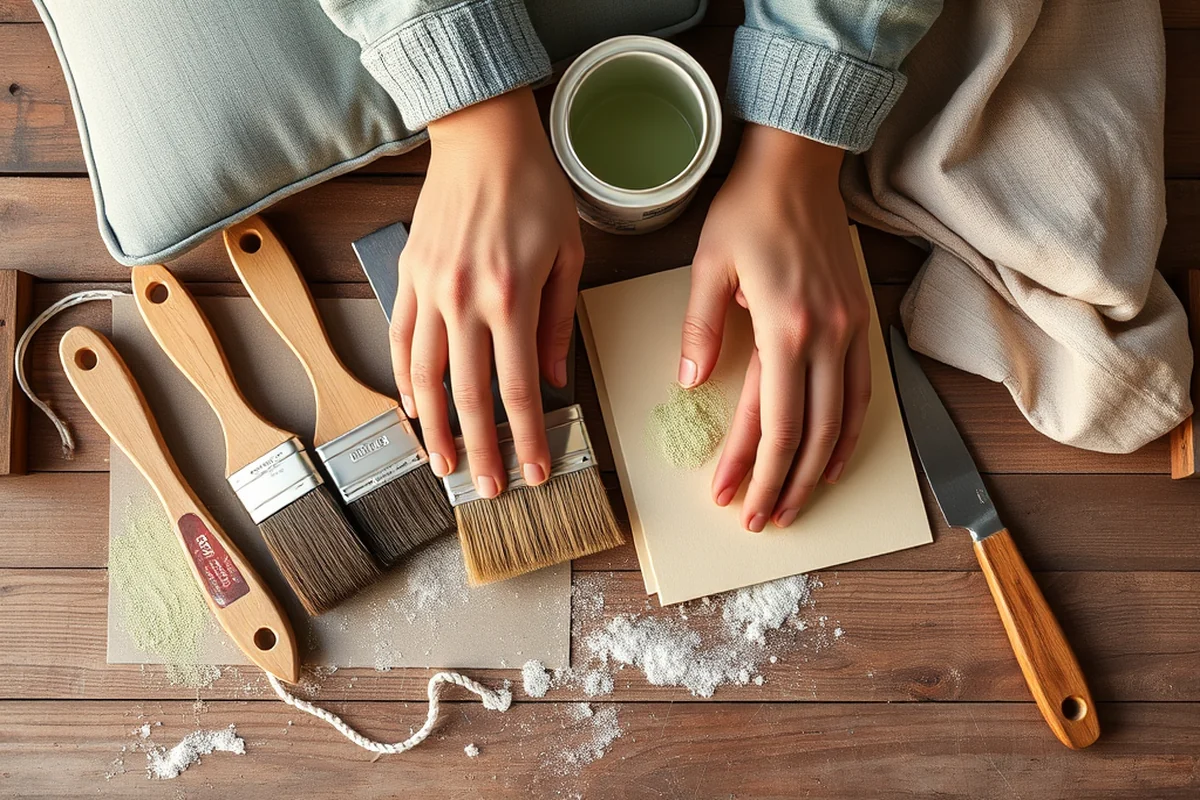
I’ve found that washing my cushions in the washing machine is one of the easiest and most effective ways to keep them clean and fresh. I always make sure to check the care label on the cushions to see if they can be machine-washed. For most outdoor cushions, a gentle cycle with cold water works best. I also make sure to separate the cushions so they don’t get tangled in the machine.
I’ve tested different detergents and found that using a mild, pH-neutral cleaner works best for most types of fabric. I’ve also found that using a rinse cycle is important to remove any residue from the detergent, which can otherwise leave the cushions feeling stiff. I’ve noticed that using a mesh laundry bag helps protect the cushions from getting damaged in the washing machine.
After washing, I always make sure to let the cushions air dry completely before using them again. I’ve found that drying them in a well-ventilated area is the safest way to avoid mold and mildew. I’ve also noticed that drying them in the sun helps to sanitize the fabric and give them a fresh, clean smell.
Related: Outdoor furniture refresh step by step techniques on a budget
How to Dry Your Cushions Properly
After cleaning, I always make sure to let the cushions air dry completely before using them again. I’ve found that drying them in a well-ventilated area is the safest way to avoid mold and mildew. I’ve also noticed that drying them in the sun helps to sanitize the fabric and give them a fresh, clean smell. I’ve even seen people use fans to speed up the drying process, which is a great idea if you’re in a hurry.
I’ve tested different drying methods and found that using a dry towel to blot up excess moisture after cleaning helps prevent water spots and keeps the fabric looking fresh. I’ve also found that using a hairdryer on a low heat setting is a quick way to dry small areas. I always make sure to keep the hairdryer a safe distance from the fabric to avoid overheating it. I’ve noticed that using a dehumidifier in the drying area can help speed up the process, especially in humid climates.
One of the most important things I’ve learned is that you should never use a high heat setting when drying your cushions, as this can cause the fabric to shrink or the foam to warp. I’ve made this mistake before, and it was a costly lesson — the cushions I tried to dry with high heat ended up looking misshapen and uncomfortable. Since then, I’ve always used a low heat setting or let the cushions air dry naturally.
Related: Outdoor furniture refresh step on a budget
How to Prevent Future Stains and Damage
One of the best things I’ve learned is that prevention is the best way to keep your cushions looking clean and new for as long as possible. I’ve found that using a water-repellent spray on the fabric helps to keep it from absorbing spills and dirt as quickly. I’ve also found that using a cover on the cushions when they’re not in use helps protect them from the elements and makes cleaning easier. I’ve noticed that using a cover also helps to keep the cushions looking fresh and new, even after a long period of time.
I’ve also found that using a dry towel to blot up spills as soon as they occur is the best way to prevent them from setting in. I’ve made the mistake of waiting too long to clean a spill, and it ended up leaving a permanent stain on the fabric. Since then, I’ve always made sure to clean up spills immediately, using a soft cloth and a mild detergent. I’ve also found that using a dry brush to remove loose dirt and debris before cleaning helps prevent the fabric from getting damaged by the scrubbing process.
Another tip I’ve learned is that using a vacuum cleaner with a brush attachment is a great way to remove loose dirt and debris before cleaning the cushions. I’ve found that this step alone can save you a lot of time and effort in the long run. I’ve also noticed that using a dry towel to blot up excess moisture after cleaning helps prevent water spots and keeps the fabric looking fresh.
Prevention is the best way to keep your cushions looking clean and new for as long as possible.
Related: Budget outdoor furniture refresh techniques
When to Call in the Pros
I’ve found that there are some situations where it’s best to leave the cleaning to professionals, especially when dealing with severe damage or delicate materials. I’ve had a few cushions that were completely soaked through and had a strong odor, and I was unsure if I could clean them effectively. In these cases, I always make sure to contact a professional cleaner who has experience working with outdoor fabrics. I’ve found that professional cleaners can often remove deep-set stains and odors that are difficult to eliminate on your own.
I’ve also found that using a dry cleaner is a great option for delicate fabrics that are difficult to clean on your own. I’ve noticed that professional cleaners have access to specialized equipment and products that are not available to the general public. I’ve also found that using a professional cleaner can be a good investment, as it can help extend the life of your cushions and prevent further damage.
One of the most important things I’ve learned is that you should always check with the manufacturer before attempting to clean your cushions, especially if they are made from a delicate or unique material. I’ve made this mistake before, and it was a costly lesson — the cushions I tried to clean on my own ended up getting damaged beyond repair. Since then, I’ve always made sure to check with the manufacturer before attempting to clean any of my cushions.
🌱 Beginner
The simplest version — minimal supplies, quick win.
💰 Budget
Same result using what you already have.
⚡ Quick
The 10-minute version for busy days.
✨ Advanced
The upgraded version once the basics stick.
| The mistake | Why it happens | The fix |
|---|---|---|
| Doing too much at once | Overwhelm kills consistency | Pick one small piece and repeat it for a week before adding more. |
| Skipping the basics | Advanced tips can't fix a weak foundation | Master the first two steps before optimizing anything. |
How To Clean Outdoor Patio Cushions
Cite this guide
Patioreborn (2026). How to Clean Outdoor Patio Cushions and Keep Them Fresh. https://patioreborn.com/how-to-clean-outdoor-patio-cushions/
Feel free to cite or share this guide.
Patio Furniture Refinish Finder
Recommends a refinishing method for patio furniture by material and condition.
Open it free →