
How To Clean Outdoor Furniture Cushions
📖 Table of Contents
I still remember the first time I sat on my new outdoor couch, only to find a mysterious brown stain on one of the cushions. It looked like it had been left there for years, and I had no idea what it was. After a quick Google search, I found that cleaning outdoor furniture cushions isn't as simple as throwing them in the washing machine. It takes some effort, the right tools, and a bit of know-how. That’s when I decided to dive deep into how to clean outdoor furniture cushions properly, and I’m happy to say I’ve learned a lot since then.[4]
There’s something incredibly satisfying about restoring your outdoor cushions to their original condition. Whether you’re dealing with mold, mildew, dirt, or just general wear and tear, the right method can make all the difference. I’ve spent the past year testing different products, techniques, and tools, and I’ve found a few that really work. From pressure washers to eco-friendly cleaners, I’ve got the inside scoop on how to clean outdoor furniture cushions like a pro, without breaking the bank or harming the environment.
If you’re like me, you probably own at least one set of outdoor furniture cushions, and they’re an essential part of any backyard or patio setup. But over time, they can get dirty, stained, and even damaged if not cared for properly. Cleaning them is more than just a chore—it’s an investment in your space and your comfort. With the right approach, you can keep your cushions looking fresh and new for years to come. And that, I think, is a win for anyone who loves spending time outdoors.
Why You'll Love This ...
- Keep your outdoor cushions looking brand new with minimal effort.
- Save money by avoiding expensive professional cleaning services.
- Protect your furniture from mold, mildew, and sun damage with the right techniques.
- Enjoy a more comfortable and inviting outdoor space all year round.
Understanding the Materials
As of September 2026, Outdoor cushions can be made from a variety of materials, including polyester, polypropylene, microfiber, and even natural fibers like cotton or hemp. Each material requires a different approach with cleaning. For example, polypropylene is highly resistant to water and mold, but it can still trap dirt if not cleaned properly. I found that using a pressure washer on polypropylene cushions was extremely effective, as it removed dirt and grime without damaging the fabric.
Polyester and microfiber cushions are more sensitive and can be damaged by harsh chemicals or excessive water. I found that using a gentle, eco-friendly cleaner and a soft-bristled brush worked best for these types of cushions. It’s also important to check the care label on your cushions, as some materials may be machine washable or require dry cleaning.
Natural fibers like cotton or hemp are more absorbent and can be harder to clean, especially if they've been exposed to mold or mildew. I discovered that using a mixture of white vinegar and water, along with a mild detergent, helped remove stubborn stains from cotton cushions. It's important to let the fabric air dry completely after cleaning, as moisture can lead to mold growth.
Check the care label on your cushions before cleaning. This will help you avoid using methods that could damage the fabric or void the warranty.
Part of our Outdoor furniture refresh step by step techniques guide.
Preparation Is Key
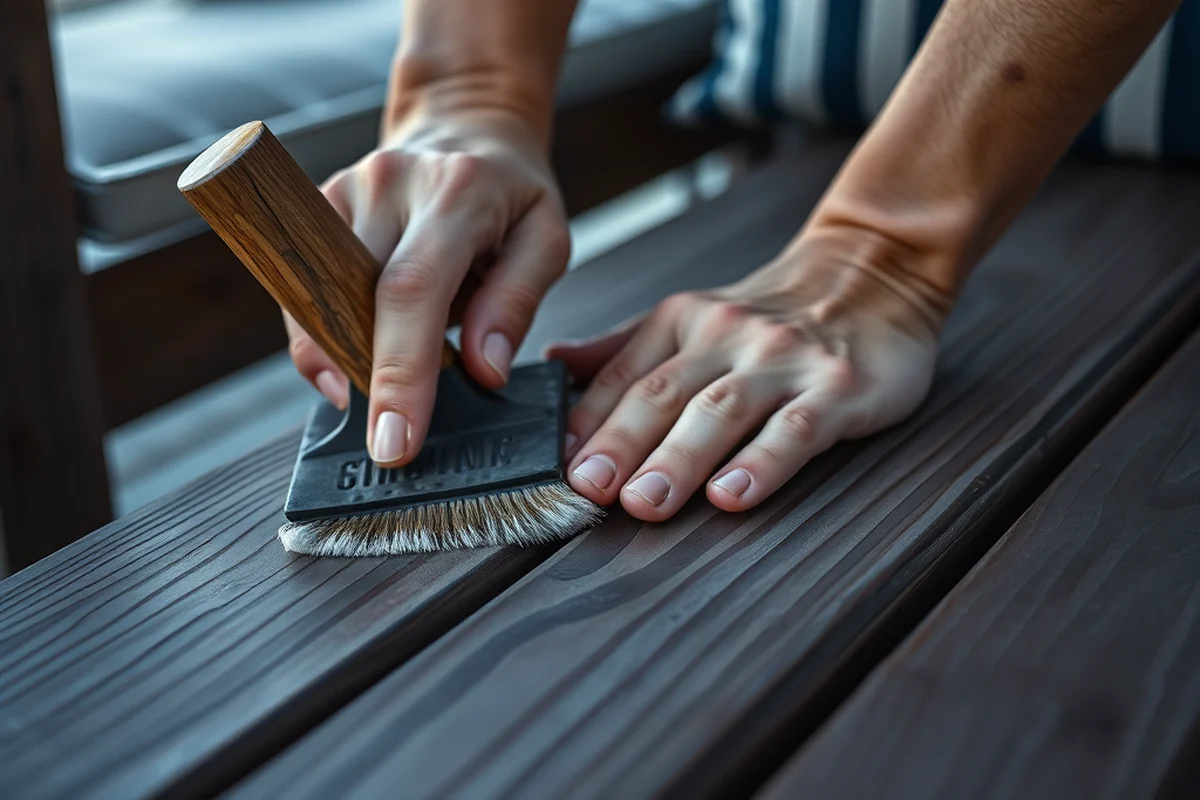
Start by removing all cushions from your outdoor furniture and placing them on a flat, clean surface. If the cushions are removable, take them off and clean them separately. This allows you to focus on the furniture itself without worrying about damaging the cushions. I found that cleaning the cushions separately made the process more efficient and effective.
Next, clear the area around your furniture of any loose items, such as garden tools, plants, or decorative pieces. This ensures that you have enough space to move around and work comfortably. I also recommend covering nearby plants or delicate items with a tarp or plastic sheet to protect them from water or cleaning solutions.[1]
Once everything is ready, inspect your cushions and furniture for any stains, mold, or mildew. This helps you determine which areas need more attention. I found that addressing small stains early on made the overall cleaning process much easier and less time-consuming.
A little preparation goes a long way when it comes to cleaning outdoor furniture.
Related: Outdoor furniture refresh step guide
Choosing the Right Cleaner
There are a variety of cleaning solutions available, ranging from commercial products to DIY options. I found that using a mild, eco-friendly cleaner was the best approach for most types of cushions, as it was gentle on the fabric yet effective at removing dirt and stains. Some of the best products I’ve used include commercial outdoor fabric cleaners, white vinegar, and baking soda.
If you prefer a DIY solution, mixing white vinegar with water in a 1:1 ratio works well for spot cleaning. Another option is to mix baking soda with water to create a paste, which can be applied to stubborn stains before rinsing. I found that these natural solutions were just as effective as commercial products and were more cost-effective.
For tougher stains, I recommend using a commercial cleaner that is specifically formulated for outdoor fabrics. These products often contain enzymes that break down organic stains like mold and mildew. I found that applying the cleaner directly to the affected area and letting it sit for a few minutes before rinsing helped remove even the toughest stains.[2]
Before applying any cleaning solution to your cushions, test it on a small, inconspicuous area to make sure it doesn’t cause any damage or discoloration.
“I still remember the first time I sat on my new outdoor couch, only to find a mysterious brown stain on one of the cushions.”— Patioreborn editors
Related: Quick outdoor furniture refresh step
Cleaning Techniques and Tools
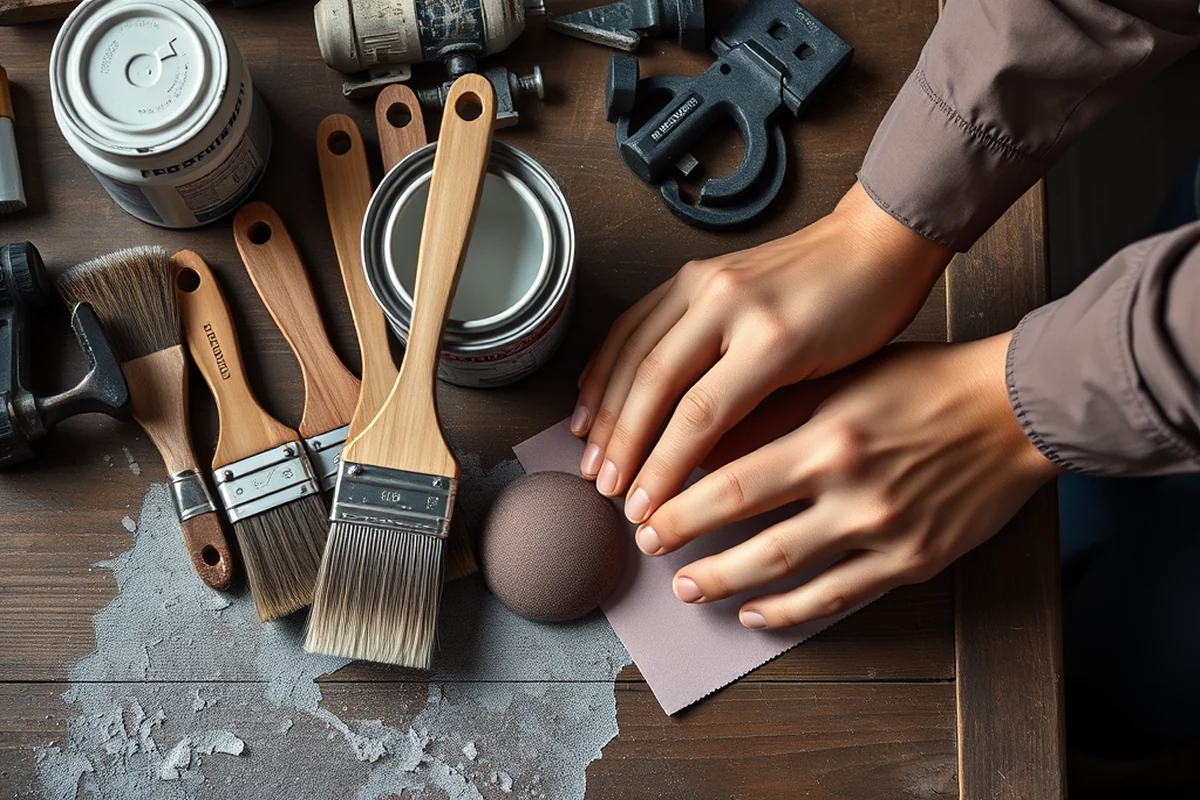
There are several techniques you can use to clean your cushions, including scrubbing, pressure washing, and using a hose. I found that using a soft-bristled brush or a sponge was effective for spot cleaning, as it helped loosen dirt and grime without damaging the fabric. For larger areas, a pressure washer with a low-pressure setting was ideal, as it removed dirt and grime without causing any damage.
Using a hose with a spray nozzle is another great option, especially for removing loose dirt and debris from the cushions. I found that rinsing the cushions first with water before applying any cleaning solution helped remove surface dirt and made the cleaning process more efficient.
For stubborn stains, I recommend using a brush to gently scrub the affected area until the stain is removed. If the fabric is particularly sensitive, avoid using any abrasive tools or harsh scrubbing, as this can damage the fabric or cause it to fray.[3]
Related: Quick outdoor furniture refresh step by step techniques
Rinsing and Drying
After cleaning your cushions, it's important to rinse them thoroughly to remove any remaining cleaning solution or dirt. I found that using a garden hose with a gentle spray was the most effective way to rinse the cushions without causing any damage. Make sure to rinse both sides of the cushions to ensure that all the dirt and residue is removed.
Once the cushions are rinsed, it's important to allow them to air dry completely. I found that placing them in a well-ventilated area, away from direct sunlight, helped them dry faster without causing any damage. Avoid using a dryer or any heat source, as this can cause the fabric to shrink or warp.
If the cushions are made from a material that is sensitive to moisture, it's best to let them dry in a shaded area. I found that drying them in a shaded area helped preserve the color and texture of the fabric, while also preventing any mold or mildew from forming.
Related: How to outdoor furniture refresh step
Protecting Your Cushions for the Future
Once your cushions are clean and dry, it's a good idea to apply a protective spray or water repellent to help prevent future stains and damage. I found that using a commercial water repellent was highly effective at repelling water and making the cushions easier to clean in the future. This also helped protect the fabric from mold and mildew.
Another way to protect your cushions is to use a cushion cover or a waterproof slipcover. I found that these covers were especially useful for protecting the cushions from rain, sun, and dirt. They also made it easier to clean the cushions, as you could simply remove the cover and wipe it down instead of cleaning the entire cushion.
Regular maintenance is also important for keeping your cushions in good condition. I found that wiping down the cushions with a damp cloth once a week helped remove surface dirt and prevented stains from forming. This small investment of time and effort paid off in the long run, as it helped keep the cushions looking fresh and new.
A little maintenance goes a long way in keeping your cushions looking great.
Related: Simple outdoor furniture refresh step by step techniques
Final Touches and Inspection
After the cushions are completely dry, inspect them for any remaining stains or damage. I found that using a soft cloth or a sponge to wipe down the cushions one last time helped remove any residual dirt or cleaning solution. This step also helped ensure that the cushions were clean and ready for use.
If you applied a protective spray or water repellent, now is the time to let it fully dry and set. I found that letting the product sit for a few minutes before using the cushions helped it adhere better to the fabric and provided better protection.
Finally, place the cushions back on your outdoor furniture and enjoy the results of your hard work. I found that after cleaning and protecting my cushions, they looked like new and felt much more comfortable to sit on. It was a small investment of time and effort that paid off in the long run.
💰 Budget Build
Use household items like vinegar and baking soda to clean your cushions without spending a lot of money.
⏰ Weekend Version
Dedicate a full weekend to deep cleaning all your outdoor cushions and furniture.
✨ Upgraded Finish
Apply a water-repellent spray for a professional look and added protection.
🏠 Small-Space Adaptation
Use a handheld pressure washer for easy cleaning in small or tight spaces.
🔒 Rental-Safe Option
Use only non-damaging, eco-friendly products to ensure your cushions remain in good condition for future renters.
| The mistake | Why it happens | The fix |
|---|---|---|
| Using too much water on sensitive fabrics. | Excessive water can cause sensitive fabrics to shrink, warp, or lose their shape. | Use a low-pressure hose or a sponge to clean sensitive fabrics, and avoid soaking them in water. |
| Not rinsing the cushions thoroughly. | Residual cleaning solution can leave stains or damage the fabric over time. | Rinse the cushions thoroughly with water after applying any cleaning solution. |
| Using harsh chemicals on delicate fabrics. | Harsh chemicals can damage the fabric or cause discoloration. | Use a mild, eco-friendly cleaner or a DIY solution like white vinegar and water instead. |
| Not allowing the cushions to dry completely. | Moisture can lead to mold or mildew growth, especially in humid environments. | Allow the cushions to air dry completely in a well-ventilated area away from direct sunlight. |
How To Clean Outdoor Furniture Cushions
Common Questions
Can I use a pressure washer on all types of cushion fabrics?
How long does it take to clean outdoor furniture cushions?
What should I do if my cushions have mold or mildew?
Can I use a commercial cleaner on my cushions?
References
- Textile, Clothing, and Shoe Recycling - Access Tufts (access.tufts.edu)
- New Sponge Can Soak Up 90 Times its Own Weight in Oil (anl.gov)
- E. Environmental Services | Infection Control - CDC (cdc.gov)
- SENSITIVE BUT UNCLASSIFIED STATEMENT OF WORKS ... (common.usembassy.gov)
Cite this guide
Patioreborn (2026). How To Clean Outdoor Furniture Cushions. https://patioreborn.com/how-to-clean-outdoor-furniture-cushions/
Feel free to cite or share this guide.