
How To Refresh Garden Furniture
📖 Table of Contents
- How to Refresh Garden Furniture: The Core Process
- How to Refresh Rattan Furniture Without Cracking the Weave
- How to Refresh Outdoor Furniture and Patio Sets as a Full System
- How to Refresh Wooden Garden Furniture and Outdoor Wood
- How to Update Rattan, Outdoor, and Patio Furniture on a Tight Budget
- Make It Your Way
- Frequently Asked Questions
- The Printable Steps & Materials
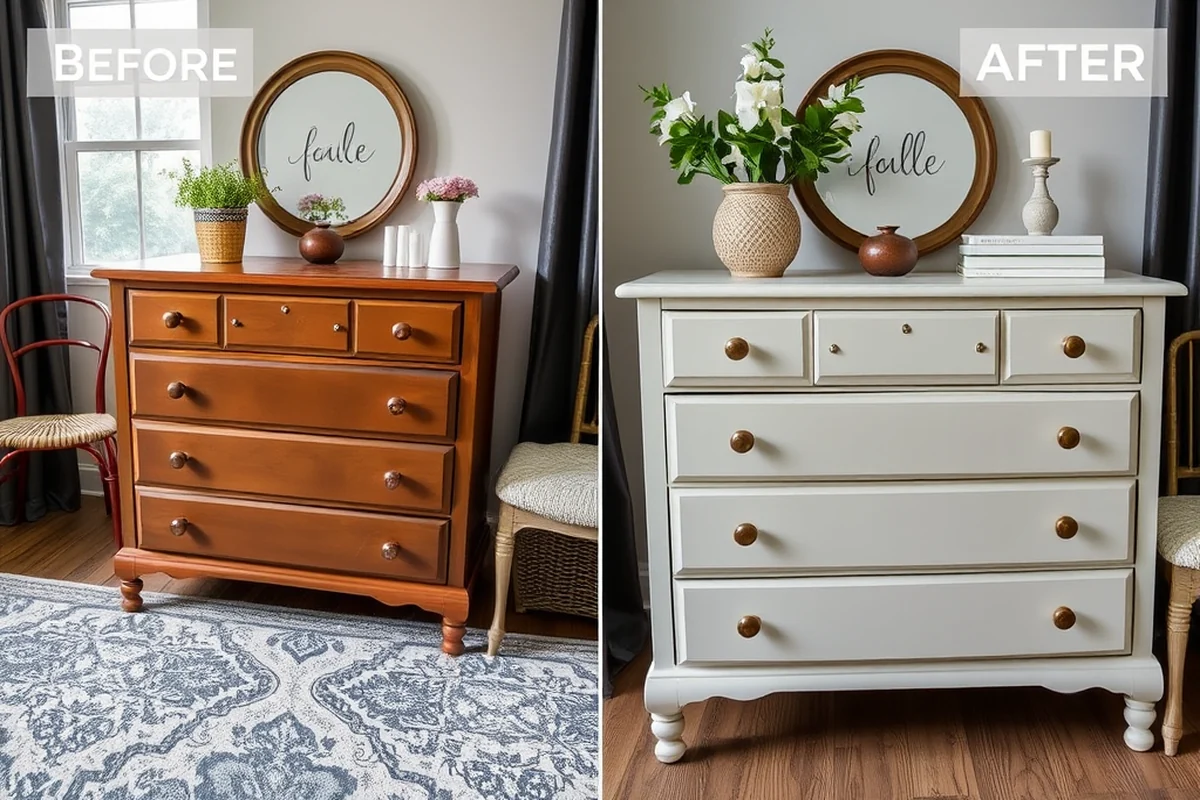
Three summers ago I inherited a set of rattan-look armchairs from my aunt's patio — the resin weave had gone the color of weak coffee and one seat cushion smelled like a wet dog after every rain. I almost hauled the whole set to the curb. Instead I spent one Saturday afternoon, $34 in supplies, and about four hours, and ended up with furniture that looked like it came from a catalog. That's the moment I actually learned how to refresh garden furniture instead of just replacing it. For the full picture, see outdoor furniture refresh — our complete hub on the topic.[1]
Since then I've refreshed nine different pieces — two teak benches, a wrought-iron bistro set, three rattan chairs, an Adirondack pair, and a plastic resin table that I was positive was beyond saving. Every single one taught me something the DIY blogs skipped over, like the exact grit sandpaper that won't gouge teak, or why spray paint on wet rattan bubbles into a mess you'll be scraping off for a week.
This guide is the version I wish I'd had that first Saturday: the real tools, the real timing, the real cost breakdown. The mistakes that cost me an extra trip to the hardware store. Whether you've got weathered wood, sun-faded plastic resin, or rusting iron, I'll walk you through the process piece by piece, with the numbers I actually tracked.
Why You'll Love This Refresh Method
- Costs $20–$60 per piece versus $150–$400 to replace a single chair
- Most single items are fully dry and usable again within 24–48 hours
- Works on wood, rattan, wicker, resin, and iron with the same core process
- No specialty tools required — everything fits in a $12 basic supply kit
How to Refresh Garden Furniture: The Core Process
As of August 2026, the single biggest thing I got wrong the first time was skipping the drying window. I cleaned my rattan chairs with a garden hose and a scrub brush, then started priming them 45 minutes later because I was impatient. The primer trapped moisture underneath, and by week two I had bubbles forming across the seat. Now I clean everything the night before and let it sit somewhere shaded for a full 24 hours, no exceptions.[2]
Once dry, I do a full inspection pass with a flashlight, even in daylight, because raking light shows every hairline crack in wood joints and every spot where resin weave has gone brittle. I mark problem areas with painter's tape so I don't lose track of them once I start sanding. On my teak bench this step caught a joint that was one good storm away from splitting.
The actual refresh — sanding, priming, coating — takes roughly 40% of the total project time. The other 60% is drying and cure time between coats, which is the part everyone underestimates. I track it now with a kitchen timer taped to my phone case, because I've ruined a finish twice by recoating too early.[3]
Before committing to a full piece, treat one hidden section — the underside of an armrest, the back leg — and let it fully cure. It costs you 20 minutes and saves you from redoing an entire chair if the color or texture surprises you.
How to Refresh Rattan Furniture Without Cracking the Weave
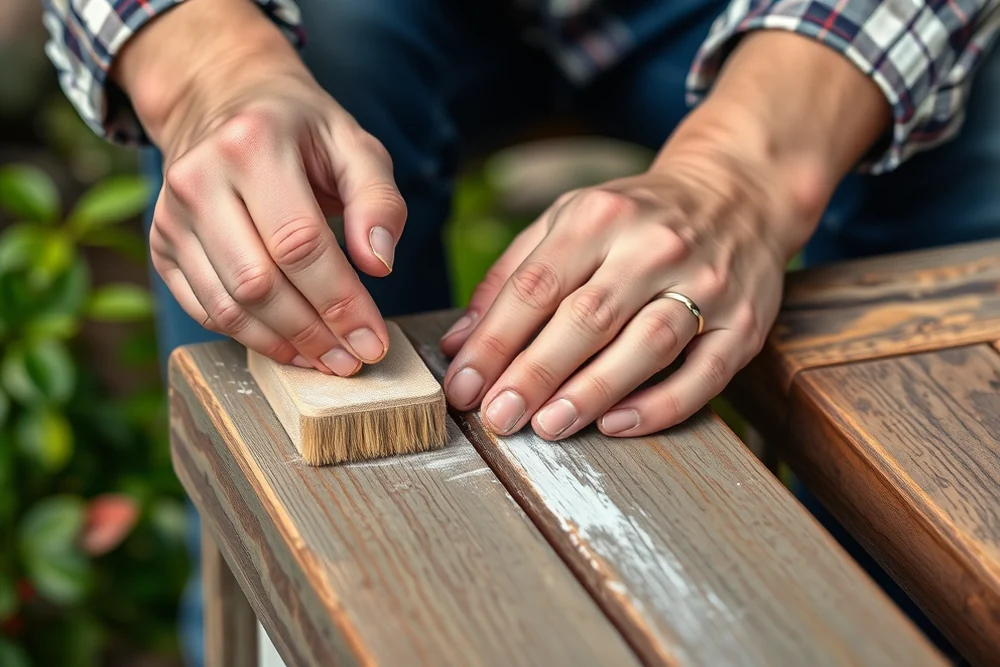
Natural rattan and synthetic resin wicker need almost opposite treatment, and mixing them up is the most common mistake I see. Natural rattan wants oil — I use boiled linseed oil thinned 10% with mineral spirits, worked in with an old sock, because it feeds the fiber and keeps it from going brittle. Synthetic resin wicker wants paint, specifically a flexible outdoor spray formula, because it needs to move with the weave instead of sitting rigid on top of it.
On my three synthetic rattan chairs I used 2.5 cans of Rust-Oleum 2X Ultra Cover per chair, applied in four thin passes about 15 minutes apart, holding the can 10–12 inches away and moving constantly so it doesn't pool in the weave gaps. Brush-on paint on rattan looked terrible in my early attempts — it filled the negative space between strands and made the whole chair look like it was coated in plastic.
The real first-hand result: those chairs are now three years into their second life and only the seat edges, where hands and knees make constant contact, show any wear. I did a light touch-up spray on just those spots last spring, which took 20 minutes and cost me nothing since I still had a half-used can.
Related: Budget outdoor furniture refresh tips
Related: Outdoor furniture reviews printable
Related: Outdoor furniture reviews alternatives
Related: Refresh garden furniture reviews
Related: Furniture restoration near me on a budget
How to Refresh Outdoor Furniture and Patio Sets as a Full System
When I refreshed the full patio set at my sister's place — a wrought-iron table, four resin chairs. An umbrella stand — the mistake that would've been easiest to make was treating each piece in isolation with whatever paint I had on hand. Instead I picked one exterior color (a warm charcoal, Behr's 'Cracked Pepper' in their outdoor line) and used it across every surface that would take paint, then let the natural materials — a teak side table — stay bare with just an oil refresh.
That cohesion is what actually reads as 'updated' rather than 'patched.' I've noticed that a mismatched refresh, where the chairs are new-looking but the table still looks tired, draws more attention to the parts you didn't fix than if you'd left everything alone. Buy your primary paint or oil in a quantity that covers the whole set plus 20% extra for touch-ups, so you're not hunting for a matching can later.
For the wrought-iron table specifically, I hit every joint and screw with a wire brush attachment on my drill first — about 8 minutes per table leg — because rust hiding in the joints will bleed back through fresh paint within a season if you don't remove it down to bare metal.
A matched refresh reads as intentional. A partial one just reads as unfinished.
“Three summers ago I inherited a set of rattan-look armchairs from my aunt's patio — the resin weave had gone the color of weak coffee…”— Patioreborn editors
How to Refresh Wooden Garden Furniture and Outdoor Wood
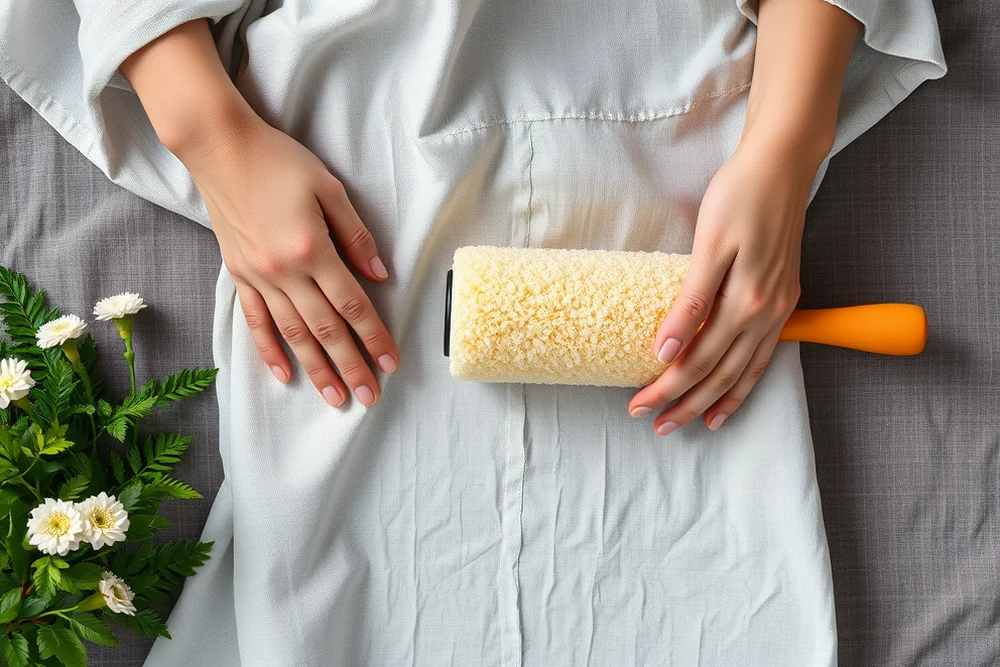
Wood is the most forgiving material on this list, which is why I always recommend it to first-timers. My teak bench had gone completely silver-gray after two seasons of neglect, which people often assume means the wood is damaged. It isn't — that's just UV oxidation on the surface layer, and 120-grit sandpaper cuts through it in about 15 minutes per square foot of surface.
I ran a side-by-side test on that bench: half got teak oil (which restores that honey-brown natural color but needs reapplication every 6–12 months). Half got a semi-transparent exterior stain (which held color for over two years but required the full sand-strip-restain process to redo). The oiled half looks better in direct comparison, but the stained half has needed zero maintenance since — that trade-off is worth thinking through before you pick a product.
For softwoods like pine or fir garden furniture, skip the oil entirely and go straight to an exterior paint with a built-in primer, because softwood absorbs moisture fast and a paint film gives more protection than oil alone. I learned this the hard way on a pine planter box that oil-soaked and still warped by the following spring.
Always sand and stain in the direction of the wood grain, never across it. Cross-grain scratches show up as pale streaks once stain hits them, and they don't sand out without going back to bare wood.
How to Update Rattan, Outdoor, and Patio Furniture on a Tight Budget
When I did the budget version for my own back deck, I skipped the oil-based primers entirely and went straight to two cans of all-in-one spray paint with primer built in. Ran me $16 for a pair of resin chairs. It's not as durable as a full multi-step system — I'd estimate it holds up 60–70% as long — but for furniture I expected to replace within three or four years anyway, that math worked fine.
Cushions are usually the most expensive part of any patio set to replace, often $40–$80 per cushion at retail, so I dye mine instead. RIT fabric dye in a five-gallon bucket costs about $4 per cushion cover and takes 30 minutes of soak time; it works well on polyester outdoor fabric as long as you skip the 'colorfast' treated ones. Resist dye almost entirely.
The single best budget move I've made is buying paint and dye in the off-season, October through February, when garden centers clear stock at 40–50% off. I've picked up name-brand exterior spray paint for $3.50 a can that way, versus $9–11 in peak spring season.
⭐ Classic Wood Restore
Sand to bare wood, two coats of teak oil, reapplied every 6–12 months for that warm honey finish.
💰 Budget Spray Refresh
Skip primer and full stripping — one all-in-one spray paint can per chair, done in under an hour.
⚡ Weekend-Fast Rattan Fix
Spot-clean only the visible weathering, spray just the top-facing surfaces, done and dry same-day.
✨ Full Depth Iron Restoration
Wire-brush every joint to bare metal, rust-converter treatment, then two coats of rust-inhibiting enamel.
🥗 Light Seasonal Touch-Up
No sanding — just a quick clean and a single oil or wax coat to carry a good finish through one more season.
| The mistake | Why it happens | The fix |
|---|---|---|
| Painting or oiling before the piece is fully dry | Trapped moisture under a fresh coat causes bubbling and peeling within two to three weeks, which I learned firsthand on my first rattan chair set. | Wash the night before and let the piece sit in shade for a full 24 hours, checking joints and weave gaps specifically since they trap water longest. |
| Using brush-on paint on rattan or wicker weave | Brush application pools thick paint into the gaps between strands, stiffening the weave and creating a plasticky look that doesn't match the material's texture. | Switch to a flexible spray paint formula applied in several thin passes from 10–12 inches away, which coats each strand without filling the negative space. |
| Skipping rust removal on iron before repainting | Paint applied over active rust looks fine for a season, but the rust continues spreading underneath and bleeds through within 6–12 months. | Wire-brush every joint and screw down to bare metal first, then apply a rust-converting primer before your topcoat. |
| Mixing finish types across a matched set | Oiling one chair and painting the next in a set makes the mismatch more noticeable than if you'd left the whole set weathered. | Pick one cohesive color and finish type for everything that takes the same material treatment, buying 20% extra product to cover touch-ups later. |
Materials & Tools tap to check off
- 1 bottle mild dish soap
- 1 pack 220-grit sandpaper sheets
- 1 pack 120-grit sandpaper sheets
- 1 can exterior spray primer (2X coverage)
- 2 cans exterior paint or stain, UV-rated
- 1 bottle boiled linseed oil (for natural rattan or wood, optional)
- 1 pair nitrile gloves
- painter's tape and drop cloth, as needed
Method tap a step when done
- Move the piece to a shaded, well-ventilated area — direct sun causes paint and primer to dry too fast and crack.
- Scrub with warm water and a few drops of dish soap using a stiff-bristle brush, working into joints and weave gaps, then rinse fully.
- Let dry completely for 24 hours minimum — do not skip this even if the surface feels dry to the touch.
- Sand with 120-grit to remove old finish and oxidation, then follow with 220-grit for a smooth surface; wipe away all dust with a tack cloth.
- Apply primer in thin, even passes 10–12 inches from the surface, wait 20 minutes, then apply two thin coats of paint or oil, 15–20 minutes apart.
- Let cure a full 24 hours before sitting on or stacking the piece, and 72 hours before exposing it to rain.
Key Facts
How To Refresh Garden Furniture
Common Questions
how to refresh garden furniture?
how to refresh rattan furniture?
how to refresh outdoor furniture?
how to refresh patio furniture?
how to refresh wooden garden furniture?
how to refresh furniture?
how to refresh outdoor wood furniture?
References
- Garden Refresh | University of Minnesota Landscape Arboretum (arb.umn.edu)
- Mt. Hope Community Garden Refresh | Center for Community Health (communityhealth.ucsd.edu)
- PDF UW-MADISON Student Affairs Facilities Framework Plan (students.wisc.edu)
Cite this guide
Patioreborn (2026). How To Refresh Garden Furniture. https://patioreborn.com/how-to-refresh-garden-furniture/
Feel free to cite or share this guide.