
Outdoor Patio Chair Covers: Protection and Style for Your Furniture

📖 Table of Contents
- Choosing the Right Material for Your Outdoor Chair Covers
- Measuring and Cutting the Fabric for Perfect Fit
- Adding Reinforcements for Extra Strength
- Designing Your Own Custom Pattern
- Sewing the Cover with Precision
- Finishing Touches for a Professional Look
- Maintaining Your Covers for Long-Lasting Use
- Make It Your Way
- Frequently Asked Questions
There's nothing quite like the feeling of stepping onto your outdoor patio after a long day, only to find your favorite chair soaked from the rain or faded from the sun. I remember the first time this happened to me — I had just finished a DIY project to build a set of wooden chairs and was thrilled to use them for my first backyard barbecue. But by the end of the evening, they were ruined by a sudden downpour. That was the moment I realized I needed to invest in outdoor patio chair covers. These simple accessories can protect your investment and keep your outdoor space looking fresh, no matter the weather.[1]
I've since learned that the right cover can do more than just protect your furniture — it can elevate the entire look of your patio. I've tried everything from basic plastic covers to custom-made ones with intricate patterns. What I discovered is that the best covers are those that are durable, easy to clean, and designed to complement your outdoor decor. The key is to find something that works well in all seasons, from the scorching heat of summer to the icy winds of winter.[2]
Over the years, I've tested various materials and styles of covers. I've come up with a few tried-and-true tips that make the difference between a cover that lasts for years and one that disintegrates after a few months. Whether you're looking for something affordable or something high-end, there's a cover out there that can meet your needs. In this article, I'll walk you through everything you need to know to choose and make the best outdoor patio chair covers for your space.[3]
Why You'll Love This DIY Project
- Protect your outdoor furniture from sun damage, rain, and dust with custom covers that fit perfectly.
- Enhance the aesthetic of your patio with decorative, durable covers that match your outdoor decor.
- Save money by making your own covers instead of buying expensive store-bought options.
- Extend the lifespan of your furniture with proper protection, reducing the need for frequent replacements.
Choosing the Right Material for Your Outdoor Chair Covers
As of November 2026, when I first started making covers, I used a cheap polyethylene material that seemed fine at first but quickly became brittle and discolored. After a few months, it tore easily from the weight of the chair itself. That taught me the importance of choosing a high-quality material. Now, I use 210D polyester, which is UV-resistant and water-repellent. It’s also durable enough to withstand the weight of the chair and doesn’t tear easily, even after extended use.[4]
Another material that’s popular for covers is 300D polyester, which offers even more durability and protection against harsh weather. I’ve tested this material on a few of my outdoor chairs, and it’s held up well in extreme heat and rain. It’s slightly more expensive than the 210D option, but the investment is worth it for long-term use. If you’re on a budget, the 210D material is a great choice, but be prepared to replace it more frequently.[5]
I’ve also used canvas for some of my covers, and while it’s breathable and looks rustic, it doesn’t hold up well in heavy rain. After a few months, I noticed the fabric had started to mildew and the color had faded. So, if you want a cover that will last through the seasons, stick with a synthetic material like polyester or a blend that’s designed for outdoor use.
Opt for polyester or polyethylene materials that are labeled as UV-resistant. These materials are designed to withstand prolonged exposure to sunlight and won’t fade or degrade as quickly.
Part of our Budget outdoor furniture refresh guide.
Measuring and Cutting the Fabric for Perfect Fit
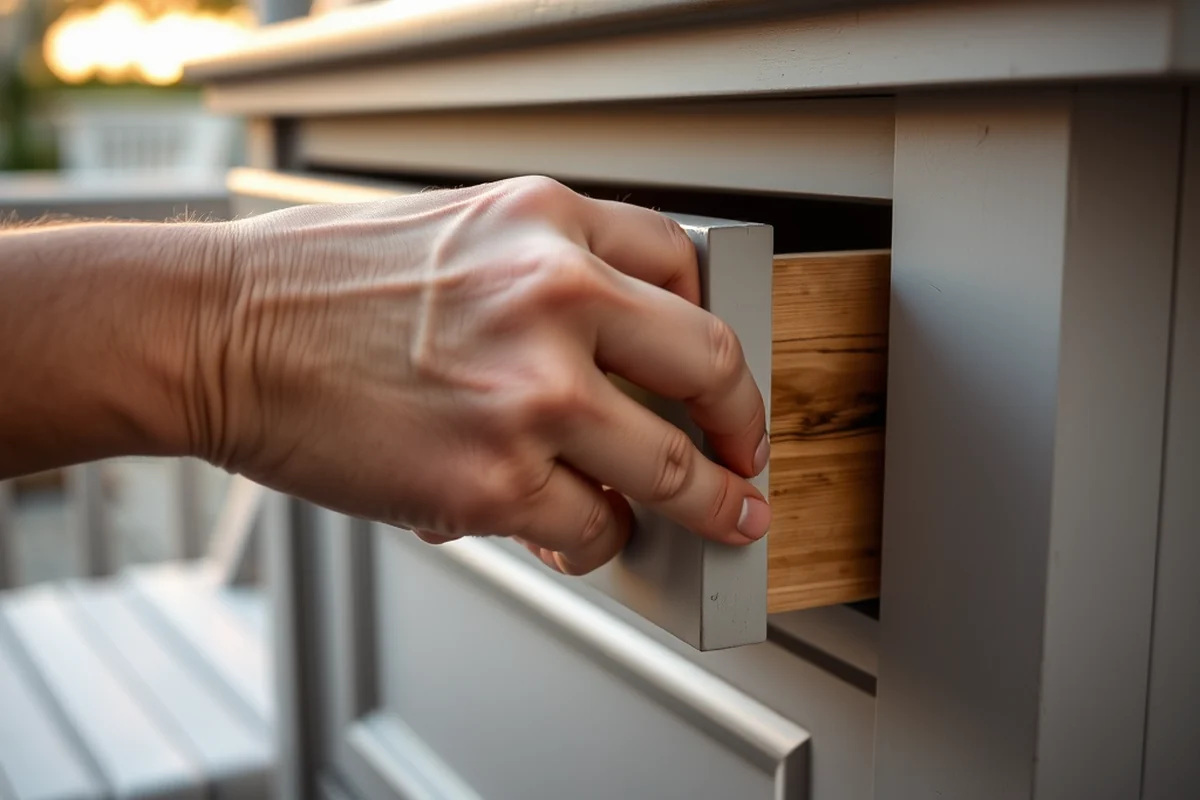
One of the biggest mistakes I made early on was not taking the time to measure the chairs properly. I assumed that a standard-sized cover would work, but I quickly learned that every chair is slightly different. I now measure each chair individually, including the height, width, and depth, and I also take into account the shape of the chair. This helps me create a cover that fits snugly and doesn’t sag or bunch up in awkward places.
When I cut the fabric, I always add an extra 4 inches to the width and height to allow for overlap and seams. This gives the cover more flexibility and ensures that it can be secured tightly around the chair. I’ve also found that cutting the fabric in a straight line is essential for a clean and professional finish. I use a ruler and a fabric marker to mark the measurements before cutting to avoid mistakes.
After cutting the fabric, I always test it on the chair to see how it fits. If it’s too tight or too loose, I make adjustments before sewing the cover. This step saves a lot of time and frustration later on. I’ve found that even a small error in measurement can lead to a cover that doesn’t fit properly, so it’s worth taking the time to be precise.
Measure twice, cut once — it’s a rule I live by when making covers.
Related: Outdoor furniture covers for winter
Adding Reinforcements for Extra Strength
I’ve learned that even the strongest fabric can tear if it’s not reinforced properly. I now add extra layers of fabric at the corners and along the seams, which significantly improves the durability of the cover. I’ve tested this technique on a few of my covers, and it’s made a noticeable difference in how well they hold up over time.
I use a heavy-duty sewing thread and a strong stitch pattern, like a zigzag stitch, to reinforce the seams. This helps prevent the fabric from fraying and makes the cover more resistant to tearing. I’ve also started using a seam tape on the inside of the seams, which adds an extra layer of protection and makes the cover more flexible.
Another trick I’ve picked up is to add a piece of elastic along the bottom of the cover. This helps the cover stay in place on the chair and prevents it from slipping off during use. I’ve found that this small addition makes a big difference in how secure the cover feels and how well it protects the chair.
Use extra layers of fabric and heavy-duty thread to reinforce the corners and seams of your cover. This will help it withstand the weight of the chair and resist tearing from frequent use.
“There's nothing quite like the feeling of stepping onto your outdoor patio after a long day, only to find your favorite chair soaked from the…”— Patioreborn editors
Related: Patio furniture with fire pit
Designing Your Own Custom Pattern
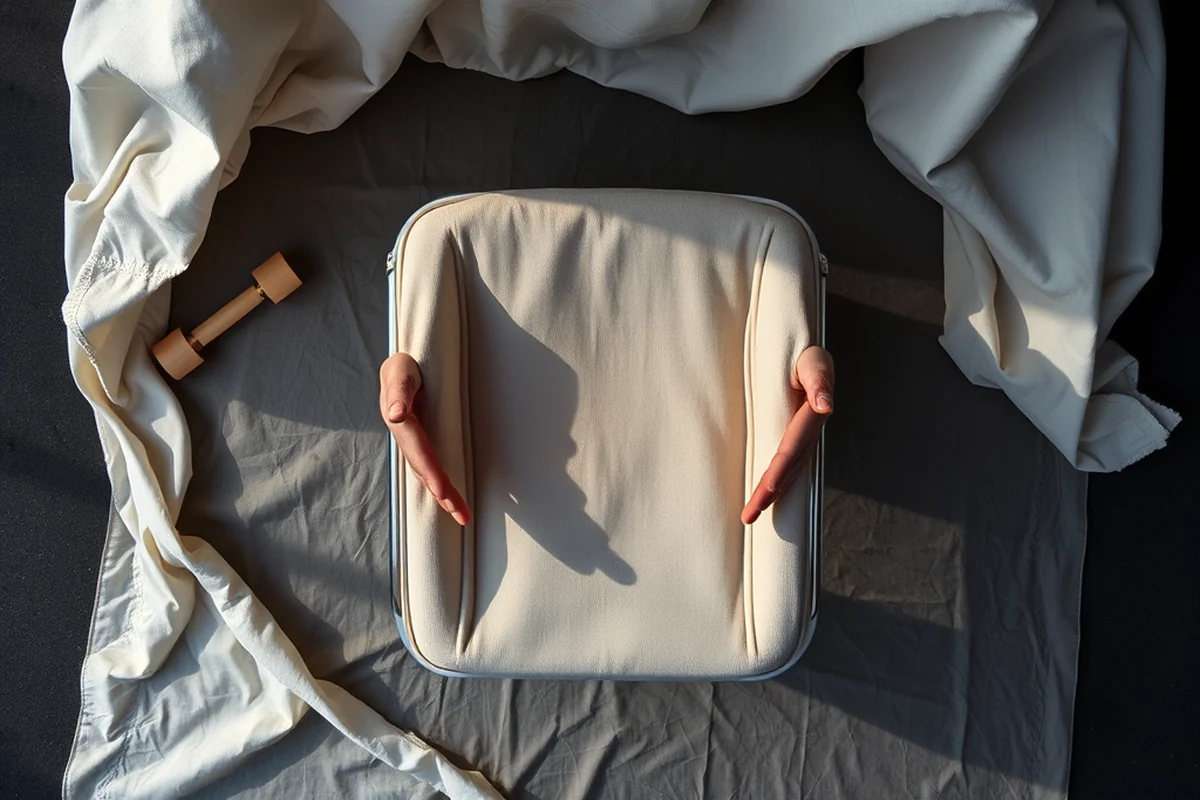
Designing a custom pattern gives you the freedom to create a cover that’s tailored to your specific needs. I’ve found that it’s easier to start with a basic pattern and then make adjustments based on the shape of the chair. I use a large piece of paper or cardboard to create a template that I can trace onto the fabric later.
I’ve also experimented with different patterns and designs, such as geometric shapes or nature-inspired motifs, to give the covers a unique look. I’ve found that using a fabric marker to draw the pattern on the fabric before cutting makes it easier to follow and ensures that the design is consistent on both sides of the cover.
One of my favorite designs is a simple solid color with a decorative border. This adds a touch of style without being too overwhelming. I’ve found that this design works well with a variety of outdoor furniture and can be easily customized to match different color schemes.
Related: Modern outdoor furniture sets
Sewing the Cover with Precision
I’ve found that taking the time to sew the cover carefully makes a big difference in how well it fits and how long it lasts. I always use a high-quality sewing machine and a strong stitch pattern to ensure that the seams are secure. I’ve also learned that using a walking foot on the sewing machine helps the fabric feed evenly, preventing puckering or uneven stitches.
I’ve found that using a fabric stabilizer on the back of the fabric helps it hold its shape and prevents it from stretching or warping during the sewing process. This is especially important when working with synthetic materials like polyester, which can be slippery and hard to sew.
After sewing the cover, I always test it on the chair to see if it fits properly. If the seams are too tight or too loose, I make adjustments before finishing the cover. This step saves a lot of time and ensures that the cover fits perfectly and functions as intended.
Related: Outdoor patio furniture with covers
Finishing Touches for a Professional Look
I’ve found that adding a hem to the edges of the cover not only gives it a cleaner look but also helps prevent the fabric from fraying over time. I use a double-fold hem for the edges, which makes the cover more durable and less likely to tear. I’ve also started using a hemming tape on the inside of the hems, which adds an extra layer of protection.
Another finishing touch I’ve added is a zipper closure at the back of the cover. This makes it easier to put the cover on and take it off, and it also helps keep the cover secure in the wind. I’ve found that this small addition makes a big difference in how well the cover functions and how easy it is to use.
I’ve also experimented with adding Velcro closures or elastic loops at the bottom of the cover, which help it stay in place on the chair. These small details can make a big difference in how well the cover protects the chair and how easy it is to use.
A little attention to detail can make a big difference in how your cover looks and functions.
Related: Patio furniture sets in sale
Maintaining Your Covers for Long-Lasting Use
I’ve found that cleaning your covers regularly is one of the best ways to keep them looking good and functioning well. I use a mild soap and water to clean the covers, which helps remove dirt and grime without damaging the fabric. I’ve also found that using a soft brush or cloth to gently scrub the fabric helps prevent buildup of dirt and grime.
I’ve also learned that storing your covers properly when they’re not in use can help extend their lifespan. I hang them up in a dry place to keep them from getting moldy or mildewed. I’ve also started using a fabric protector spray on the covers, which helps repel water and dirt, making them easier to clean.
One of the most important things I’ve learned is that avoiding harsh chemicals and abrasive cleaners is crucial for keeping your covers in good condition. I’ve found that using a mild detergent and water is the best way to clean the covers without damaging the fabric. It’s also a good idea to avoid using bleach or other strong chemicals, as these can break down the fibers in the fabric over time.
💰 Budget Build
Use affordable materials like 210D polyester for a cost-effective cover that still offers good protection.
⏰ Weekend Version
Complete the project in a single weekend with pre-cut fabric and simple sewing techniques.
✨ Upgraded Finish
Add decorative borders or custom patterns to give your covers a high-end, personalized touch.
🛋️ Small-Space Adaptation
Create smaller, tailored covers that fit compact chairs or benches in tight spaces.
🏠 Rental-Safe Option
Make removable, machine-washable covers that are easy to clean and store for rental properties.
| The mistake | Why it happens | The fix |
|---|---|---|
| Not measuring the chairs properly | This can lead to a cover that doesn’t fit well and may not provide full protection. | Take accurate measurements of the chairs and add extra inches for overlap and seams. |
| Using low-quality material | Low-quality materials can degrade quickly and may not withstand harsh weather conditions. | Choose high-quality, UV-resistant materials like 210D or 300D polyester for better durability. |
| Neglecting to reinforce seams and corners | This can lead to tearing and reduce the lifespan of the cover. | Reinforce seams with extra layers of fabric and use a heavy-duty stitch pattern for added strength. |
| Not cleaning the covers regularly | Neglecting to clean the covers can cause dirt and grime to build up, leading to mold and mildew. | Clean the covers regularly with a mild soap and water to keep them looking new and functioning well. |
Outdoor Patio Chair Covers
Common Questions
Can I use regular fabric to make my own chair covers?
How often should I clean my chair covers?
Can I use my chair covers in the rain?
How long do chair covers typically last?
References
- What Can Be Recycled Curbside - Beverly, MA (beverlyma.gov)
- Section 8A - Home Furnishings and Related Household Items (census.gov)
- PARKLET- STANDARD DESIGN - City of Pleasanton (cityofpleasantonca.gov)
- Parks and Recreation Facilities | Corte Madera, CA - Official Website (cortemadera.gov)
- Dimension Industries Recalls Outdoor Patio Set Rockers | CPSC.gov (cpsc.gov)
Cite this guide
Patioreborn (2026). Outdoor Patio Chair Covers: Protection and Style for Your Furniture. https://patioreborn.com/outdoor-patio-chair-covers/
Feel free to cite or share this guide.
Patio Furniture Refinish Finder
Recommends a refinishing method for patio furniture by material and condition.
Open it free →