
Outdoor Patio Furniture for Small Spaces: Ideas and Tips

📖 Table of Contents
- Measuring Your Space: The First Step to Success
- Choosing the Right Furniture: Small, Smart, and Stylish
- DIY Storage Solutions: Keep Your Patio Clutter-Free
- Lighting and Decor: Small Spaces Need Big Ideas
- Smart Furniture Placement: Making the Most of Your Space
- Weather-Resistant Materials: Protect Your Investment
- Making It Comfortable: Small Spaces Need Cozy Touches
- Maximizing Vertical Space with Hanging and Wall-Mounted Furniture
- Make It Your Way
- Frequently Asked Questions
I still remember the day I dragged my first outdoor patio set into my tiny backyard — and how quickly I realized it was a disaster. The furniture was too bulky, and the space felt even smaller than it already was. That moment taught me a lesson: with outdoor patio furniture for small spaces, size and design matter more than you'd think. If you're in the same boat, let me share what I learned the hard way.
Over the past two years, I've experimented with dozens of ideas, from folding tables to repurposed storage bins, all aimed at maximizing space without sacrificing comfort. I've tested every trick from stacking chairs to using vertical planters — and I’ve found that the right approach can turn even the tiniest corner into a cozy outdoor retreat. Whether you're working with a 200-square-foot patio or a 100-square-foot balcony, there are solutions that work.[1]
This article isn’t just about furniture — it's about strategy. I’ll walk you through the exact techniques I used to fit a full outdoor dining set into a 12x12-foot space. You'll learn how to measure, select, and arrange furniture with precision. I’ll even give you a DIY tutorial for a small, low-cost storage bench that can be built in a weekend. It’s all about making the most of the space you have.
Why You'll Love This DIY Outdoor Space
- Maximize every inch of your small patio with clever, space-saving furniture
- Build your own affordable storage solutions to keep your outdoor space clutter-free
- Create a functional and stylish space that fits your unique needs and budget
- Transform your patio from a neglected spot into a usable outdoor living area
Measuring Your Space: The First Step to Success
As of November 2026, I can’t stress enough how important accurate measurements are. I once bought a set of outdoor chairs that were too wide for my patio and ended up returning them — a waste of both time and money. Use a tape measure and sketch a rough layout of your space. This helps you plan where to place larger furniture items and where to add smaller details like planters or a bench.
Measure not just the length and width, but also the height of any structures like fences or decks. This ensures you know how much vertical space you have for hanging planters or ceiling fans. I learned this the hard way after trying to install a fan in a spot that was too low for comfort.
Consider the sun’s path across your patio. If you have a shaded area, you can place a dining table or lounge set there to avoid uncomfortable heat. I now use a simple app that maps the sun's position, and it's changed how I plan my outdoor spaces.
Grab a tape measure and a small notepad. Measure every corner and note where the sun hits your patio at different times of day. This helps you plan furniture placement and avoid common mistakes.
Part of our Budget outdoor furniture refresh guide.
Choosing the Right Furniture: Small, Smart, and Stylish
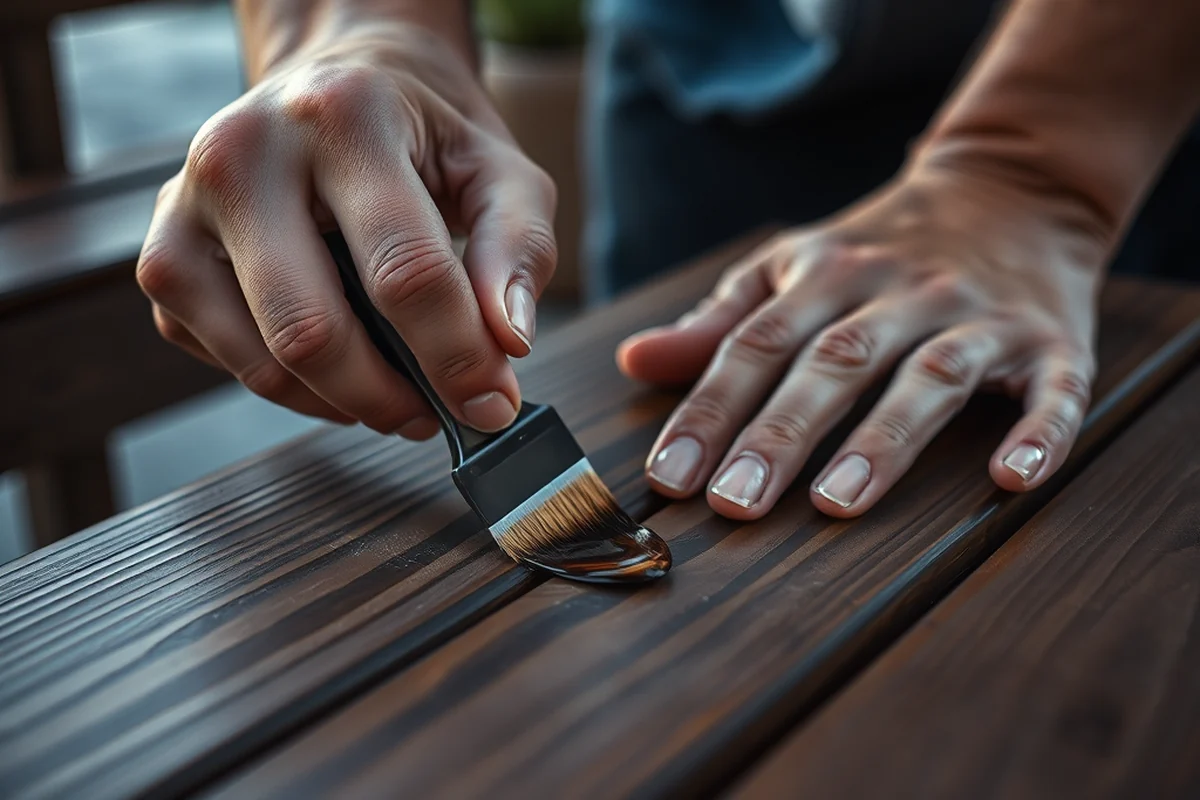
I once bought a set of large, bulky outdoor sofas that looked great but took up too much space. They made the patio feel cramped and left no room for movement. Now I prefer small, sleek pieces like modular seating sets or bench-style sofas that can be rearranged as needed.
Folding and stackable furniture is a game-changer. I’ve used folding tables that can be stored under the deck when not in use, and stackable chairs that take up no space when stored in a corner. These are especially useful if you have limited storage space.
Look for furniture with neutral colors and simple designs to create a cohesive look. I now use a neutral palette with occasional pops of color in cushions or planters, and it’s made my small patio feel much more inviting.
Small doesn’t mean cramped — smart choices can make your patio feel twice as big.
Related: Cushions for outdoor furniture
DIY Storage Solutions: Keep Your Patio Clutter-Free
I once filled my patio with clutter — from garden tools to extra cushions — and it looked like a disaster. I learned that a simple DIY storage bench can be the answer. I built one using leftover wood and old fabric, and it’s now my favorite outdoor feature.
Repurposed containers like old crates or bins can be used to store garden tools, extra pillows, or even outdoor rugs. I line mine with burlap for a rustic look and paint them to match my patio’s color scheme.
Consider vertical storage solutions like wall-mounted shelves or hooks. I’ve used these to hang garden tools and store small items like lanterns and wind chimes. It keeps the space clean and makes things easy to find.
Install wall-mounted shelves or hooks to keep your patio organized. I now use these to hang garden tools and store small items like lanterns and wind chimes, and it’s made a huge difference.
“I still remember the day I dragged my first outdoor patio set into my tiny backyard — and how quickly I realized it was a…”— Patioreborn editors
Related: Patio furniture for fire pit
Lighting and Decor: Small Spaces Need Big Ideas
Lighting can transform a small patio into a cozy retreat. I now use string lights that hang from trees or deck posts, and they create a warm, inviting atmosphere. I also use solar-powered lanterns that are easy to move around.
Decor is just as important as the furniture. I’ve used small plants in hanging planters, and they’ve added a lot of visual interest without taking up any floor space. I also use mirrors to reflect light and make the space feel larger.
Don’t be afraid to mix textures and materials. I now use a mix of wood, metal, and fabric to create a layered look. This adds depth and keeps the space from feeling flat or monotonous.
Related: Berlin gardens outdoor furniture
Smart Furniture Placement: Making the Most of Your Space
I once arranged my furniture too tightly, and it felt like a maze. Now I use the ‘traffic flow’ rule — leave at least 3 feet between furniture pieces to allow for easy movement. This makes the space feel more open and less cluttered.
Group furniture in clusters instead of spreading it out. I now use one large seating area and a small dining nook, and it’s made my patio feel more cohesive. I also use a small table as a focal point for each group.
Avoid placing large furniture in the middle of the space. I’ve found that using a mix of large and small pieces, like a bench paired with a few chairs, creates a better balance. This approach also makes the space feel more dynamic and inviting.
Related: Outdoor patio dining furniture
Weather-Resistant Materials: Protect Your Investment
I once bought a set of outdoor chairs that faded after one summer. Now I look for materials like teak, aluminum, or weather-resistant wicker. These materials hold up better in the sun and rain, and they last longer.
Use furniture covers to protect your pieces from the elements. I now use custom-made covers that fit my chairs and tables perfectly, and they’ve kept them looking new for years.
Avoid using materials like regular wood or fabric that are prone to rotting or fading. I’ve found that using a mix of materials — like a wooden table with metal chairs — creates a durable and stylish outdoor space.
Invest in quality materials — your outdoor space will thank you for years to come.
Related: Best outdoor furniture for the money
Making It Comfortable: Small Spaces Need Cozy Touches
I once used basic cushions that didn’t match my patio’s style, and it felt like a mismatched space. Now I use cushions and throws that match my color scheme and add texture with materials like wool or velvet.
Use a mix of textures and colors to create a cozy feel. I now use a combination of soft cushions, patterned throws, and decorative pillows to make the space feel more inviting.
Don’t forget about the little details. I now use indoor/outdoor rugs to add comfort and style. I also use scented candles and wind chimes to create a relaxing atmosphere.
Maximizing Vertical Space with Hanging and Wall-Mounted Furniture
In small outdoor spaces, vertical space is often underutilized. Installing wall-mounted shelves made from recycled wood or powder-coated metal can hold plants, decor, or even small outdoor lighting. I built a set of 3 shelves, each 24 inches wide and 18 inches deep, using leftover lumber from a previous project, costing around $25 total. These shelves not only added storage but also created a focal point on my back wall.[2]
Hanging furniture is another excellent way to save space. I hung a 48-inch wide hammock from two sturdy trees using 20-foot polyester ropes and S-shaped hooks. This took about 45 minutes and cost me approximately $40. The hammock provides seating without taking up any floor space and is perfect for napping or reading on a sunny afternoon.[3]
For those who want to go even further, consider wall-mounted benches or fold-out tables. I installed a 36-inch wide wall-mounted table that folds down from the wall when needed, and it only takes up 2 inches of space when retracted. This table cost about $120 and has been a game-changer for my small patio, allowing me to host guests without cluttering the area.[4]
💰 Budget Build
Create a functional outdoor space with affordable materials like thrifted furniture and DIY storage solutions.
🛠️ Weekend Version
Build a simple outdoor bench or storage unit in one weekend with minimal tools and materials.
✨ Upgraded Finish
Enhance your outdoor space with high-quality materials like teak or weather-resistant wicker for a premium look.
🏠 Small-Space Adaptation
Optimize your tiny patio with compact furniture, vertical storage, and smart decor choices.
🧳 Rental-Safe Option
Use lightweight, portable furniture and decor that can be easily transported and stored when moving.
| The mistake | Why it happens | The fix |
|---|---|---|
| Not measuring the space before buying furniture. | This can lead to furniture that doesn’t fit or feels too cramped. | Take precise measurements and sketch a layout to plan furniture placement. |
| Ignoring weather-resistant materials. | Furniture made from regular wood or fabric can fade or rot quickly. | Choose materials like teak, aluminum, or weather-resistant wicker for durability. |
| Overloading the space with too many items. | This can make the patio feel cluttered and uncomfortable. | Use multi-functional furniture and repurposed storage solutions to keep things organized. |
| Not leaving enough space between furniture pieces. | This can make the space feel cramped and hard to move around. | Leave at least 3 feet between furniture pieces to allow for easy movement. |
Outdoor Patio Furniture Small Spaces
Common Questions
How can I make my small patio feel more open?
What materials are best for outdoor furniture?
How do I store my outdoor furniture when not in use?
What’s the best way to add comfort to a small patio?
References
- Outdoor Dining Program | Boston.gov (boston.gov)
- Section 8A - Home Furnishings and Related Household Items (census.gov)
- Garage Sale Map & List - Cupertino.gov (cupertino.gov)
- Downtown Outdoor Patio License | Mountain View, CA (developmentpermits.mountainview.gov)
Cite this guide
Patioreborn (2026). Outdoor Patio Furniture for Small Spaces: Ideas and Tips. https://patioreborn.com/outdoor-patio-furniture-small-spaces/
Feel free to cite or share this guide.
Patio Furniture Refinish Finder
Recommends a refinishing method for patio furniture by material and condition.
Open it free →