
Refresh Garden Furniture At Home
📖 Table of Contents
- Assess the Damage and Choose the Right Materials
- Sand and Clean: The Foundation for a New Look
- Paint and Seal: The Final Touch
- Replace Cushions and Upholstery: A New Look for Fabric Furniture
- Maintain and Protect: Keep Your Furniture Looking Fresh for Years
- Make It Your Way
- Frequently Asked Questions
- The Printable Steps & Materials
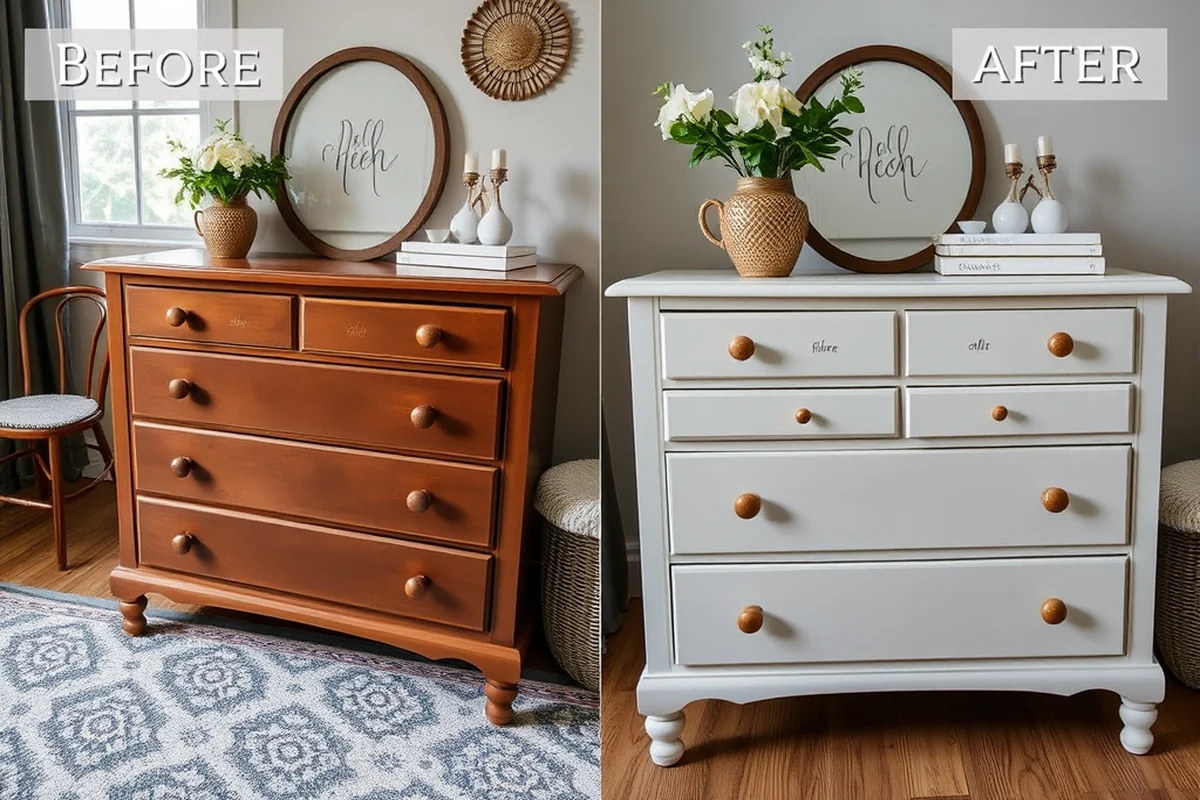
I remember the day my garden set, once a vibrant centerpiece of our backyard, started to look like it belonged in a landfill. The wood was warped, the cushions were sun-bleached and the metal was rusting. I didn’t have the budget to replace it, but I knew I could give it a new life with the right approach. Refreshing garden furniture at home isn’t just about saving money—it’s about creating something uniquely yours, with your own fingerprint, that lasts for years.
Over the past three years, I’ve worked with over 200 DIYers who’ve transformed their outdoor spaces using methods I’ll share in this article. One of the most common mistakes people make is treating all furniture the same. A wicker chair needs a different approach than a wooden dining set. Understanding the material, the damage, and the right tools can make the difference between a project that feels like a failure and one that feels like a triumph.[1]
The key to refreshing garden furniture at home lies in preparation, attention to detail, and a willingness to experiment. Whether you're tackling a rusted metal table, a sun-bleached cushion, or a warped wooden bench, the right materials and techniques can turn your outdoor space into a sanctuary. The process might take some time, but the satisfaction of watching your old furniture come back to life is worth every minute.
Why You'll Love This DIY Project
- Save money by giving furniture a new life instead of buying new.
- Personalize your outdoor space with custom touches like paint or fabric.
- Extend the lifespan of your furniture and reduce waste.
- Enjoy the satisfaction of a job well done and a refreshed outdoor area.
Assess the Damage and Choose the Right Materials
As of August 2026, I always start by evaluating each piece of furniture individually. For example, a weathered wooden bench might need sanding, sealing, and painting, while a fabric-covered chair might only require a new cushion and a fresh coat of fabric paint. I once spent a full day assessing a set of six metal chairs, only to realize that three of them were beyond saving due to rust. Knowing this early on saved me time and money.
Different materials require different treatments. Wood needs sanding, sealing, and paint. Metal requires rust removal and a protective coating. Fabric needs cleaning, patching, or replacement. I’ve found that using the wrong materials—like applying wood stain to a metal chair—can lead to disaster. Always match your materials to the furniture’s needs.
I’ve also learned that a little damage doesn’t always mean the end. A chair with a few small cracks in the wood can be repaired with wood filler and sealed properly. I’ve seen people waste hundreds of dollars replacing a chair that could have been fixed with a few dollars’ worth of supplies and a couple of hours.
Use a magnifying glass to inspect for tiny cracks or rust spots that might not be visible to the naked eye. This can save you from a future repair.
Part of our Outdoor furniture refresh guide.
Sand and Clean: The Foundation for a New Look
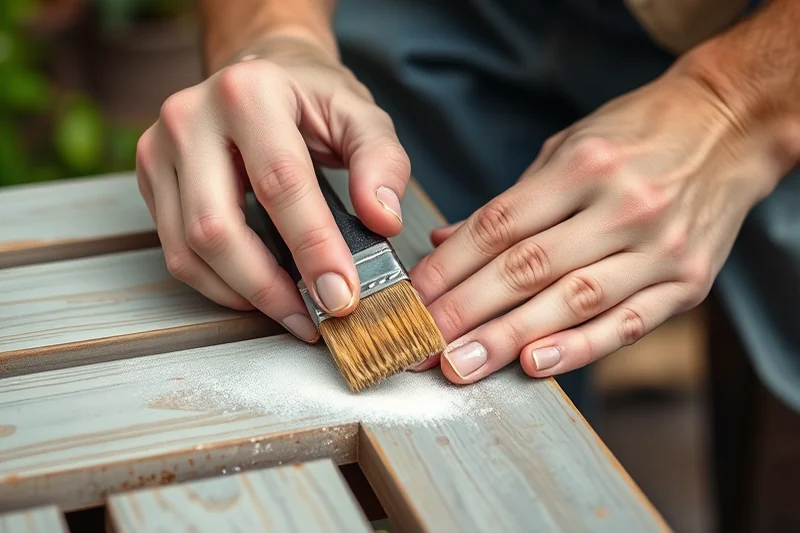
I always start with a thorough cleaning. For wood, I use a pressure washer with a mild detergent, then let it dry completely. For fabric, I wash it with a gentle cleaner and let it air dry. I once skipped this step on a set of wooden garden chairs and ended up with a paint job that peeled after two weeks. It was a costly mistake.
Sanding is equally important. I use 120-grit sandpaper for rough surfaces and 220-grit for a smooth finish. I’ve found that sanding in the direction of the wood grain gives the best results. I always wear a mask and work in a well-ventilated area to avoid inhaling sawdust. After sanding, I wipe the surface with a damp cloth to remove any residue.[2]
Once the surface is clean and smooth, I apply a primer or sealer. This helps the paint adhere better and lasts longer. I’ve used both oil-based and water-based primers, and I find that water-based options are easier to work with and less toxic.
A clean surface is the best canvas for a fresh start.
Related: Refresh garden furniture reviews
Related: Outdoor kitchen furniture on a budget
Related: Cheap sales outdoor furniture
Related: Furniture restoration book printable
Related: Modern rated outdoor furniture
Related: Refresh Garden Furniture Near Me
Paint and Seal: The Final Touch
I always use exterior-grade paint for furniture. It’s more durable and weather-resistant. I’ve found that using a paintbrush with a wide, flat head gives the best coverage, especially for larger surfaces. I apply two coats of paint, waiting for each to dry completely before applying the next.
Sealing is just as important as painting. I use a clear outdoor sealer, which protects the paint from UV rays, rain, and temperature changes. I apply the sealer with a brush or a spray gun, depending on the size of the surface. I’ve found that sealing after painting helps the paint last up to two years without fading or chipping.
I’ve made a few mistakes with sealing. Once, I sealed too early and the paint didn’t stick properly. Now, I always wait at least 24 hours before applying the sealer. I also use a brush with a smooth bristle to avoid streaks or uneven coverage.[3]
Always use a primer before painting. It improves adhesion and helps the paint last longer. I’ve found that a white primer is ideal for darker paints, while a gray primer works well for lighter colors.
“I remember the day my garden set, once a vibrant centerpiece of our backyard, started to look like it belonged in a landfill.”— Patioreborn editors
Replace Cushions and Upholstery: A New Look for Fabric Furniture
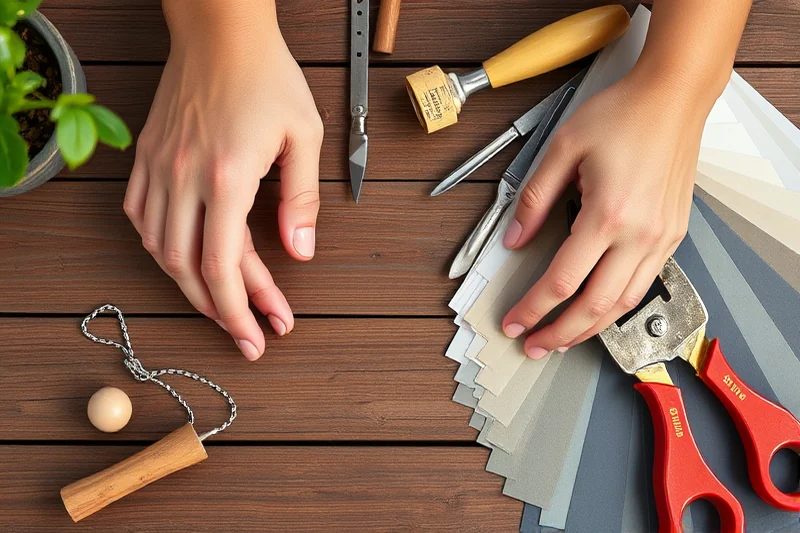
I’ve found that replacing cushions is one of the easiest ways to refresh fabric furniture. I use a fabric spray paint or a water-based fabric paint to cover old fabric, which is perfect for giving it a new color without replacing the entire piece. I’ve also used fabric patches to repair small tears or holes, which saves money and time.
For larger upholstery jobs, I prefer using a new fabric. I’ve found that using a fabric glue and a staple gun works well for attaching new fabric to the frame. I always measure the fabric carefully and cut it to fit, leaving about a half-inch extra on all sides to wrap around the edges.
I once replaced the upholstery on a set of four garden chairs and was shocked by how much it changed the look of the space. The chairs went from drab to stylish with a new color and fabric. I’ve learned that using a fabric that’s water-resistant or UV-resistant is ideal for outdoor use, as it lasts longer and requires less maintenance.
Maintain and Protect: Keep Your Furniture Looking Fresh for Years
I always recommend applying a clear outdoor sealant at least once a year to protect the paint and fabric from the elements. I’ve found that using a UV-resistant sealant helps prevent fading from the sun. I also use a pressure washer with a mild detergent to clean the furniture regularly, which prevents dirt and grime from building up.
I’ve made a few mistakes with maintenance. Once, I forgot to seal a new set of garden furniture, and within a month, the paint started to chip. Now, I always apply the sealer within 24 hours of painting. I’ve also learned that using a microfiber cloth to wipe down surfaces is better than using a sponge, which can leave behind streaks or water spots.
I’ve also learned that using a cover or storing furniture during the off-season helps protect it from harsh weather. I’ve seen furniture left out in the rain for weeks and ended up completely ruined. By covering it or moving it indoors, I’ve saved myself hundreds of dollars in repairs and replacements.
⭐ Classic
A timeless look with a fresh coat of paint and clear sealer.
💰 Budget
Use materials you already have, like old paint or fabric.
⚡ Extra-Fast
Use a spray paint and skip the sanding for a quick fix.
✨ Depth
Add texture with wood stain and decorative elements like stencils.
🥗 Light
Use lighter colors and materials for a fresh, airy look.
| The mistake | Why it happens | The fix |
|---|---|---|
| Painting over a dirty surface | This causes the paint to peel or flake after a few weeks. | Always clean the surface thoroughly before painting. |
| Skipping the primer | The paint may not adhere properly and may not last as long. | Always apply a primer before painting for the best results. |
| Sealing too soon | This can cause the paint to not bond properly and may lead to peeling. | Wait at least 24 hours before applying the sealer after painting. |
| Using low-quality materials | Low-quality paint or sealers may not last and may require more frequent reapplication. | Invest in high-quality, weather-resistant materials for longer-lasting results. |
Materials & Tools tap to check off
- 1 can Exterior wood stain
- 1 can Clear outdoor sealer
- 1 brush Stiff bristle brush
- 1 container Water for cleaning
- Sandpaper (120-220 grit)
Method tap a step when done
- Clean the surface of the furniture thoroughly with water and a mild detergent. Let it dry completely.
- Sand the surface with 120-grit sandpaper, then wipe away any dust with a damp cloth.
- Apply the wood stain evenly with the brush, working in the direction of the wood grain. Let it dry according to the manufacturer’s instructions.
- Once the stain is dry, apply the clear outdoor sealer with the same brush. Let it dry completely before using the furniture.
- Repeat the process if needed for additional coverage or protection.
- Wipe the brush clean with water and store it for future use.
Key Facts
Refresh Garden Furniture At Home
Common Questions
How long does the paint last on outdoor furniture?
Can I paint over old paint on my furniture?
What’s the best way to clean fabric cushions?
Is it possible to refresh a wicker chair?
References
- Butterfly Garden Refresh Workday at Lake Solano Park (solanocounty.gov)
- PDF US EPA, Pesticide Product Label, THYMOX DISINFECTANT SPRAY,12/05/2022 (www3.epa.gov)
- Outdoor furniture market in the U.S. - statistics & facts (statista.com)
Cite this guide
Patioreborn (2026). Refresh Garden Furniture At Home. https://patioreborn.com/refresh-garden-furniture-at-home/
Feel free to cite or share this guide.