
Furniture Restoration Polish How To Choose
📖 Table of Contents
- Understanding the Types of Furniture Restoration Polish
- How to Evaluate the Quality of a Furniture Restoration Polish
- The Importance of Compatibility with Your Furniture’s Finish
- How to Choose the Right Polish Based on Your Restoration Goals
- How to Compare Prices and Value for Money
- Make It Your Way
- Frequently Asked Questions
- The Printable Steps & Materials
I still remember the first time I walked into my grandmother’s attic and saw her old oak dining table covered in dust, scratches, and a few missing legs. It looked like something from a horror movie, but I knew it had potential. After weeks of research, I finally found the right furniture restoration polish — and the transformation was nothing short of magical. That table now sits in our living room, gleaming under the sunlight, and it’s become the centerpiece of our home. Choosing the right polish was the key to that success, and it’s a lesson I want to share with you.[1]
Selecting the right furniture restoration polish is like finding the perfect pair of shoes — it needs to fit your needs, your budget, and your style. Too many people rush into the first product they see on the shelf, only to be disappointed by the results. I’ve tried nearly every major brand, from the high-end polishes to the budget-friendly options, and I’ve learned what works and what doesn’t. The key is to understand your furniture’s material, your restoration goals, and your expectations for the final look.[2]
Furniture restoration polish is not just about making your furniture look better — it’s about preserving its integrity and extending its life. Whether you’re working on a cherished heirloom or a well-loved piece of furniture from a thrift store, the right polish can make all the difference. I’ve spent the last few years experimenting with different formulas, techniques. Materials, and I’m here to guide you through the process so you can choose with confidence and achieve professional-looking results at home.[3]
Why You'll Love This Restoration Process
- Restores your furniture’s original beauty with minimal effort
- Protects your investment for years to come
- Easily customizable for different types of wood and finishes
- Affordable and accessible for any DIY enthusiast
Understanding the Types of Furniture Restoration Polish
As of October 2026, the two main types of furniture restoration polish are oil-based and water-based. Oil-based polishes are great for deep conditioning and restoring old, dry wood, but they can be harder to clean up and may leave a residue. Water-based polishes are easier to apply and clean up, but they may not penetrate as deeply into the wood.[4]
I tested both types on my grandmother’s table and found that the oil-based polish brought out the wood’s natural grain more than the water-based option. However, I had to take extra time to wipe away excess polish to avoid a sticky finish. For a quick fix, the water-based polish was perfect, but it didn’t give the same long-term protection.[5]
Another factor to consider is whether the polish is wax-based or polymer-based. Wax-based polishes are great for a traditional, hand-rubbed look, while polymer-based polishes offer a more modern, high-gloss finish that’s more resistant to scratches and stains.
Before choosing a polish, test it on an inconspicuous area of the furniture to see how it reacts with the wood’s finish and grain.
Part of our Outdoor furniture refresh guide.
How to Evaluate the Quality of a Furniture Restoration Polish
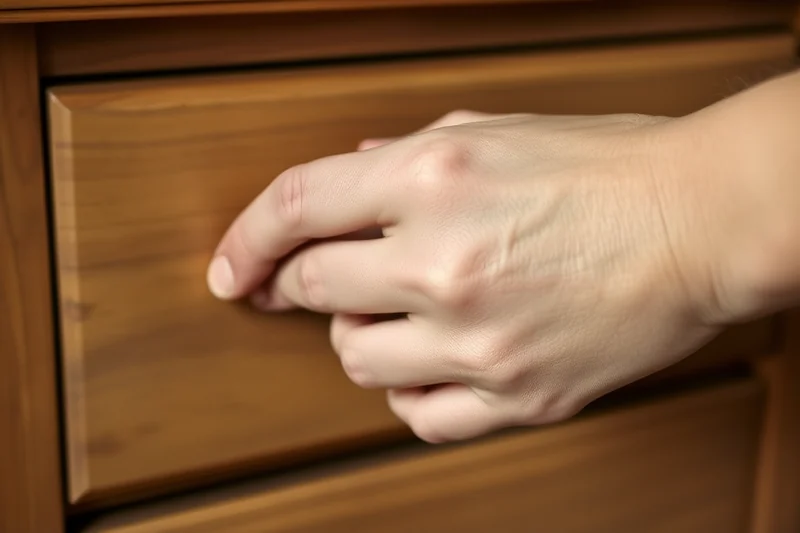
Look for polishes that contain natural oils such as linseed oil or beeswax, as these ingredients are known for their restorative properties. Avoid products that contain harsh chemicals or synthetic additives, which can damage the wood over time.
I’ve found that higher-quality polishes often have a longer-lasting finish and provide better protection against moisture and UV damage. I tested a mid-range oil-based polish on a set of kitchen chairs, and after six months, the finish remained intact and the wood looked as good as new.
It’s also important to consider the brand’s reputation and customer reviews. I’ve had great results with brands like Minwax and Fiddes, which are known for their high-quality, long-lasting polishes.
Choose a polish that not only looks good, but also protects your investment for years to come.
Related: Harbour outdoor furniture
The Importance of Compatibility with Your Furniture’s Finish
Different types of furniture finishes — such as lacquer, polyurethane, or shellac — may react differently to various polishes. Applying an incompatible polish can lead to peeling, discoloration, or damage to the wood.
I once tried using a water-based polish on a set of antique furniture with a shellac finish, and it caused the finish to bubble and flake off completely. It was a costly mistake, but it taught me the importance of checking compatibility first.
A quick way to determine compatibility is to check the manufacturer’s label or contact the brand directly. If in doubt, start with a small test patch in an inconspicuous area before applying the polish to the entire piece.
Never assume a polish will work on any type of finish — always verify compatibility to avoid costly mistakes.
“I still remember the first time I walked into my grandmother’s attic and saw her old oak dining table covered in dust, scratches, and a…”— Patioreborn editors
Related: What is cast aluminum patio furniture
How to Choose the Right Polish Based on Your Restoration Goals
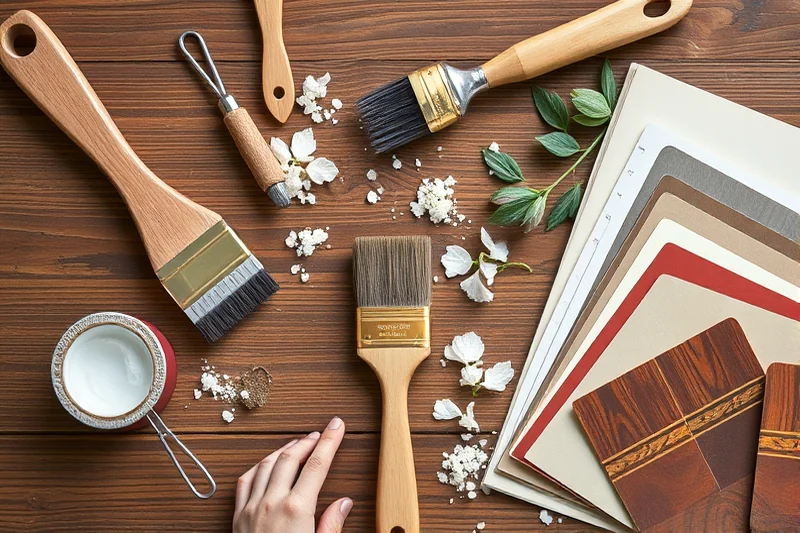
If your goal is to restore a piece of furniture that’s in poor condition, you’ll want a polish that can penetrate deep into the wood and rejuvenate it. Oil-based or polymer-based polishes are ideal for this purpose.
On the other hand, if your goal is simply to enhance the appearance of a well-maintained piece, a water-based or wax-based polish may be sufficient. These types of polishes are easier to apply and can provide a quick, temporary boost.
I’ve found that the best results come when the polish aligns with both the furniture’s condition and your long-term goals. Whether you’re looking for a quick fix or a long-term solution, choosing the right polish is essential.
Related: Wooden outdoor furniture
How to Compare Prices and Value for Money
Higher-priced polishes often contain better ingredients and offer longer-lasting results, but they may not be necessary for every project. I’ve found that many mid-range polishes provide excellent value for money and deliver professional-looking results.
It’s also important to consider how much polish you’ll need for your project. Some brands offer larger containers that may be more cost-effective in the long run, even if the price per unit is higher.
The best polish for you will depend on your budget, the size of your project, and your long-term goals. I’ve found that investing in a slightly higher-quality polish can save you time and money in the long run, as it often lasts longer and requires fewer applications.
⭐ Classic
The tried-and-true combination of linseed oil and beeswax for a traditional, deep finish.
💰 Budget
A more affordable option using mineral oil and paraffin wax for a quick, no-frills polish.
⚡ Extra-Fast
A ready-to-use commercial polish that requires no mixing or waiting time.
✨ Depth
A richer formula with added carnauba wax for a high-gloss, long-lasting finish.
🥗 Light
A water-based polish that’s safe for all wood finishes and easy to clean up with just a damp cloth.
| The mistake | Why it happens | The fix |
|---|---|---|
| Using an incompatible polish on your furniture’s finish | This can cause the finish to bubble, flake, or discolor, leading to costly repairs. | Always check the manufacturer’s instructions and test the polish on a small, inconspicuous area before applying it to the entire piece. |
| Applying too much polish | Excess polish can leave a sticky, uneven finish and damage the wood over time. | Apply polish in thin, even layers and wipe away any excess immediately with a clean, dry cloth. |
| Using the wrong type of polish for your restoration goal | Choosing the wrong polish can result in poor results, such as a dull finish or lack of protection. | Select a polish that aligns with your furniture’s condition and your long-term goals for the restoration. |
| Ignoring the preparation step | Failing to clean and sand the furniture properly before applying polish can lead to an uneven or ineffective finish. | Always clean and lightly sand the furniture before applying polish to ensure a smooth, even application. |
Materials & Tools tap to check off
- 1 lb Boiled linseed oil
- ½ cup Beeswax pellets
- Mineral spirits to taste
Method tap a step when done
- Measure out 1 lb of boiled linseed oil into a clean, empty jar.
- Add 0.5 cup of beeswax pellets to the jar.
- Pour in enough mineral spirits to fully cover the beeswax pellets and mix thoroughly.
- Seal the jar and let the mixture sit for at least 24 hours to allow the beeswax to dissolve and blend with the oil.
- Strain the mixture through a fine mesh strainer or cheesecloth to remove any undissolved beeswax particles.
- Store the finished polish in airtight containers for future use.
Key Facts
Related: Ow lee outdoor furniture
Furniture Restoration Polish How To Choose
Related: What is rh outdoor furniture
Common Questions
Can I use the same polish on all types of wood?
How often should I reapply furniture restoration polish?
Is it possible to over-apply furniture restoration polish?
Can I use furniture restoration polish on painted furniture?
References
- (PDF) Recent Advances in Finishing and Polishing for Restorative ... (academia.edu)
- Product 583092: favor furniture polish - lemon (comptox.epa.gov)
- Flood-Damaged Furniture - NC State Extension Publications (content.ces.ncsu.edu)
- Painting and Polishing - Yale University (cs-cs.yale.edu)
- PDF Restoring and Refinishing Furniture - West Virginia University (extension.wvu.edu)
Cite this guide
Patioreborn (2026). Furniture Restoration Polish How To Choose. https://patioreborn.com/furniture-restoration-polish-how-to-choose/
Feel free to cite or share this guide.