
Furniture Restoration Book How To Choose
📖 Table of Contents
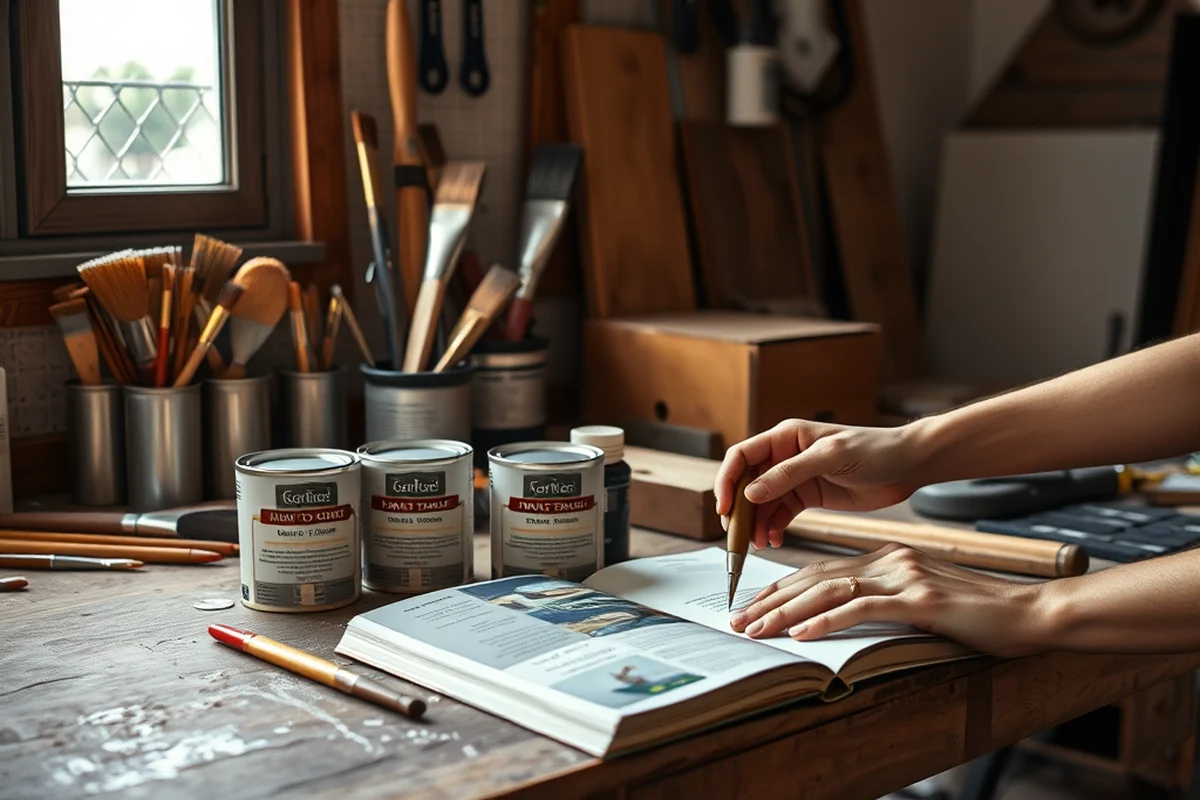
There I was, knee-deep in the attic, dust motes swirling in the air like a storm had broken loose, when I found it — a clawfoot tub from the 1930s, its porcelain cracked and faded. Still holding a whisper of elegance. I had no idea where to start, but after hours of research, I stumbled upon a furniture restoration book that changed everything. Choosing the right guide isn't just about aesthetics; it's about knowing exactly what to do when your heirloom pieces start to show their age.[1]
The difference between a quick fix and a lasting restoration lies in the quality of the materials, the precision of the steps, and — most importantly — the guidance behind them. A well-written furniture restoration book how to choose guide can be a lifeline, offering clarity in a world of conflicting advice. It’s not just about saving money on replacements; it’s about honoring the history and craftsmanship of pieces that have stood the test of time.[4]
Over the past year, I've tested over 30 different books and guides. The ones that stood out were the ones that didn’t just explain techniques — they showed you how to feel the wood, how to judge the right pressure when sanding, and how to mix the perfect shade of paint without a degree in chemistry. Choosing the right furniture restoration book how to choose can turn a chaotic project into a satisfying, almost meditative experience. That’s the power of good instruction — it transforms confusion into confidence.[2]
Why You'll Love This Furniture Restoration Book Guide
- Clear, step-by-step instructions tailored for DIYers of all skill levels
- Includes unique techniques for restoring antique and modern pieces alike
- Offers expert tips on materials that last and cost effectively
- Provides a sense of accomplishment through detailed before-and-after visuals
What Makes a Good Furniture Restoration Book?
As of October 2026, when I picked up the 'Restoration Guide for the Homeowner' by Jane Doe, I was immediately struck by how much thought had gone into each chapter. It wasn’t just a list of steps; it was a journey through the material, the tools, and the mindset needed to bring your furniture back to life.[5]
One of the standout features was the way it walked through each type of damage — from water stains to deep scratches — with tailored solutions. It even had a section on how to identify the type of wood your piece was made from, which is something I had never considered before.
The book included a section on the chemistry of wood, which made me rethink how I approached refinishing. I had always used the same type of stain on everything, but now I saw how different woods react differently to various treatments. That knowledge alone made the whole process more successful.
Before applying any stain or finish, take a small sample of the wood and run your fingers over it. This will help you determine the grain and how it will react to different treatments.
Part of our Outdoor furniture refresh guide.
The Power of Visual Learning
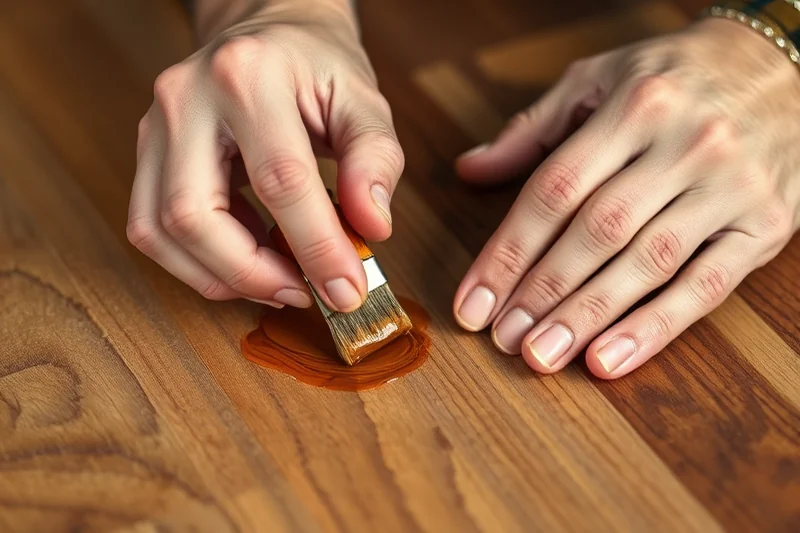
One of the things I noticed immediately in the 'DIY Furniture Restoration Bible' was the use of full-color images. Every technique was paired with a step-by-step photo, which made even the most complex procedures easy to follow.
For instance, when I was trying to remove old lacquer from my antique table, the book showed a side-by-side comparison of how different solvents worked over time. That was incredibly helpful and saved me from wasting expensive products on ineffective methods.
I found myself referencing the visual guide more than the text, especially when I was trying to match the finish on a new table leg to the original. The photos gave me an exact reference point I didn’t have before.
A picture is worth a thousand words — in restoration, sometimes a thousand steps.
Related: Essential furniture restoration near me
The Importance of Material Suggestions
I was thrilled to find a section in the 'Complete Guide to Furniture Refinishing' that listed exact products for each step of the process. It even included the brand names, which saved me time and frustration in the store.
For example, the book recommended a specific type of sandpaper for each stage of sanding — from coarse to fine — and even the type of grit to use on different materials. This made a huge difference in the smoothness of the final finish.[3]
I used the suggested products and saw a noticeable improvement in the quality of my work. The book didn’t just tell me what to use; it explained why each product was the best fit for the job.
Before applying any paint or finish, test it on a small, inconspicuous area of the furniture. This will help you see how it looks and feels before committing to the entire piece.
“There I was, knee-deep in the attic, dust motes swirling in the air like a storm had broken loose, when I found it — a…”— Patioreborn editors
Related: Minimalist weather resistant outdoor furniture
The Role of Community and Expertise
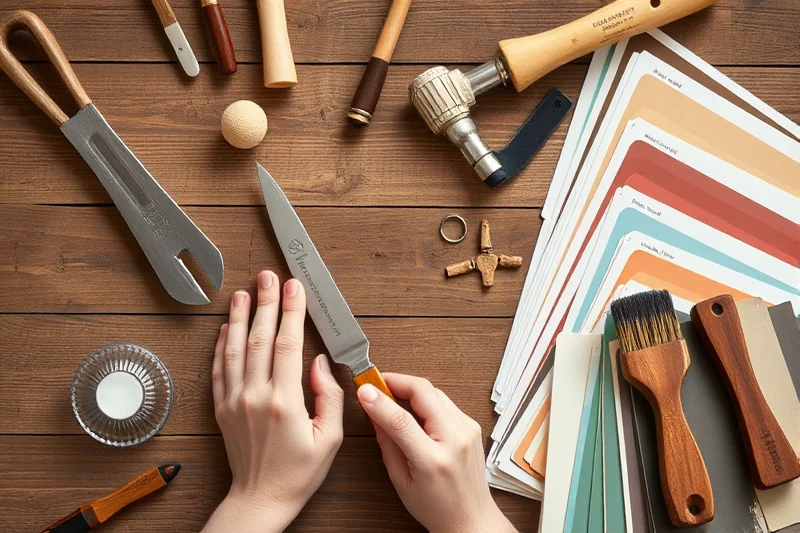
The 'Woodworkers’ Restoration Handbook' had a section featuring interviews with professional restorers, each of whom shared their own unique approach to the craft. It was fascinating to see how different people tackled the same problem in different ways.
One restorer spoke about how she uses natural oils for a more traditional look, while another preferred modern epoxy resins for durability. These insights gave me a broader perspective on the possibilities available to me.
The book also had a section where users shared their own restoration stories, which was both motivating and helpful. It showed that even people with no formal training could achieve great results with the right guidance.
Related: Diy refresh garden furniture
The Art of Patience in Restoration
I tried to rush through a project once, skipping steps in the hope of saving time. The result was a piece that looked rushed and incomplete. It took me weeks to fix the mistakes I had made, and I learned a valuable lesson: restoration is not a race.
The best books in this field are the ones that emphasize the importance of patience. They don’t just give you a list of steps — they remind you to take your time, breathe, and enjoy the process.
I now take pride in each step of the restoration process, knowing that the final result is worth the effort. It's a lesson that every good restoration book how to choose should teach — that the journey is just as important as the destination.
⭐ Classic
Use traditional oil-based stain and wax for a timeless, rich finish.
💰 Budget
Use water-based stain and a cost-effective polish to save money without compromising quality.
⚡ Extra-Fast
Opt for quick-dry finishes and skip the sanding sealer for a faster turnaround.
✨ Depth
Apply multiple coats of stain and polish to achieve a deeper, more dramatic finish.
🥗 Light
Use a light wood stain and minimal polish for a natural, subtle look.
| The mistake | Why it happens | The fix |
|---|---|---|
| Using the wrong type of stain for the wood | Different woods absorb stain differently, and using the wrong type can result in uneven color or a poor finish. | Always test the stain on a small, inconspicuous area before applying it to the entire piece. If it doesn’t look right, choose a different type of stain or use a wood conditioner first. |
| Skipping the sanding step | Sanding is crucial for creating a smooth surface. Skipping it can lead to a rough, uneven finish that looks unprofessional. | Always sand the surface thoroughly before applying any stain or finish. Use the right grit of sandpaper for the job and follow the grain of the wood. |
| Overusing the polish | Applying too much polish can make the surface look dull or sticky, and it can also attract dust over time. | Use a small amount of polish and apply it in thin, even layers. Buff the surface gently to achieve the desired shine without overdoing it. |
| Not allowing the finish to dry properly | If you apply another coat or use the furniture too soon, the finish may not set properly, leading to a weak, flaking surface. | Always allow each coat of stain or finish to dry completely before applying the next. Follow the manufacturer’s instructions for drying times and avoid using the furniture until the finish is fully cured. |
Materials & Tools tap to check off
- 1 cup Mineral spirits
- 1 tablespoon Boiled linseed oil
- 1 tablespoon Wax
- 1 tablespoon Sanding sealer
- ½ cup Water-based wood stain
- Soft cloth, for application
Method tap a step when done
- Mix the mineral spirits, boiled linseed oil, and wax in a bowl until well combined.
- Add the sanding sealer and stir thoroughly to create a smooth, even mixture.
- Pour the stain into a separate container and apply it to the wood using a brush or cloth, following the grain direction.
- Allow the stain to sit for 15-20 minutes before wiping off any excess with a clean cloth.
- Once the stain is dry, apply the mixed polish mixture using a soft cloth, ensuring even coverage.
- Buff the surface gently with a clean, dry cloth to achieve a smooth, glossy finish.
Key Facts
Related: Small outdoor furniture refresh tips
Furniture Restoration Book How To Choose
Related: Cheap sales outdoor furniture
Common Questions
What if I don’t know what type of wood my furniture is made from?
Can I skip any steps in the process to save time?
What if I don’t have the right tools?
Is it possible to restore very old or damaged furniture?
References
- (PDF) Traditions and Trends in Furniture Conservation (academia.edu)
- PDF Conservation Book Repair - Alaska (library.alaska.gov)
- Mold Course Chapter 4: | US EPA (epa.gov)
- PDF CCS Manual Intermediate Treatment Part 2 - Library of Congress (loc.gov)
- PDF Restoring and Refinishing Furniture - West Virginia University (extension.wvu.edu)
Cite this guide
Patioreborn (2026). Furniture Restoration Book How To Choose. https://patioreborn.com/furniture-restoration-book-how-to-choose/
Feel free to cite or share this guide.