
Outdoor Furniture Refresh Color Style Ideas Mistakes To Avoid
📖 Table of Contents
- Choosing the Right Color Palette for Your Outdoor Space
- The Power of Texture in Outdoor Furniture Refreshes
- The Right Tools for the Job: What You’ll Need
- Avoiding Common Mistakes in Outdoor Furniture Refresh Projects
- Finishing Touches: How to Elevate Your Outdoor Space
- Make It Your Way
- Frequently Asked Questions
Last summer, I sat on a weathered wicker chair that had seen better days — sun-bleached, faded, and barely holding together. I knew it was time for a change, but I had no idea where to start. After hours of online research and a few false starts, I stumbled upon a simple yet transformative solution: a DIY outdoor furniture refresh. What began as a small project became a complete overhaul of my patio, and I learned just how much a few well-chosen colors and techniques could breathe new life into old pieces.[1]
The key to a successful outdoor furniture refresh lies in understanding color, style, and materials — and knowing which mistakes to avoid. I've spent the past few months experimenting with different finishes, from bold metallics to soft pastels, and I've made a few missteps along the way. Whether you're working with plastic, wicker, or wood, there are specific techniques and color choices that will improve your space and keep your furniture looking fresh for years to come.[2]
If you're like me, you might be thinking: 'Can I really refresh my outdoor furniture without breaking the bank or hiring a pro?' The answer is a resounding yes. With the right tools, materials, and a bit of know-how, you can transform your outdoor space in a weekend. And the best part? You’ll end up with something uniquely yours — a space that reflects your personality and style, without the price tag of a new set of furniture.[3]
Why You'll Love This Outdoor Furniture Refresh
- Budget-friendly upgrades that last through seasons and weather.
- Personalized style that matches your home’s aesthetic and personality.
- Simple techniques that even beginners can master in a single weekend.
- A space that feels fresh, modern, and uniquely yours.
Choosing the Right Color Palette for Your Outdoor Space
As of October 2026, I started by assessing my existing furniture and the overall aesthetic of my outdoor space. I realized that my wicker chairs and metal table were all in shades of beige and gray — a safe but dull combination. I decided to go bold with a pair of deep navy cushions and a pop of terracotta in the form of a ceramic planter. The contrast immediately made my patio feel more dynamic and inviting.[4]
When choosing colors, it's important to consider the existing color scheme of your home and surrounding landscape. If your home has warm tones, opt for complementary colors like terracotta, olive, or ochre. For a cooler look, try navy, sage, or powder blue. I found that adding a couple of bold accents worked better than going all out — it created a focal point without overwhelming the space.
One of the most important factors in selecting colors is the material of your furniture. For example, if you're working with metal frames, a bold paint color can really make them stand out. For wicker or rattan, I found that using a complementary fabric or cushion color had a more subtle, cohesive effect.
Before applying paint or stain to your furniture, use a small sample to test the color in your outdoor space at different times of day. This will help you see how the color interacts with sunlight and shadows, and whether it matches the rest of your outdoor decor.
Part of our Outdoor furniture refresh color style ideas guide.
The Power of Texture in Outdoor Furniture Refreshes
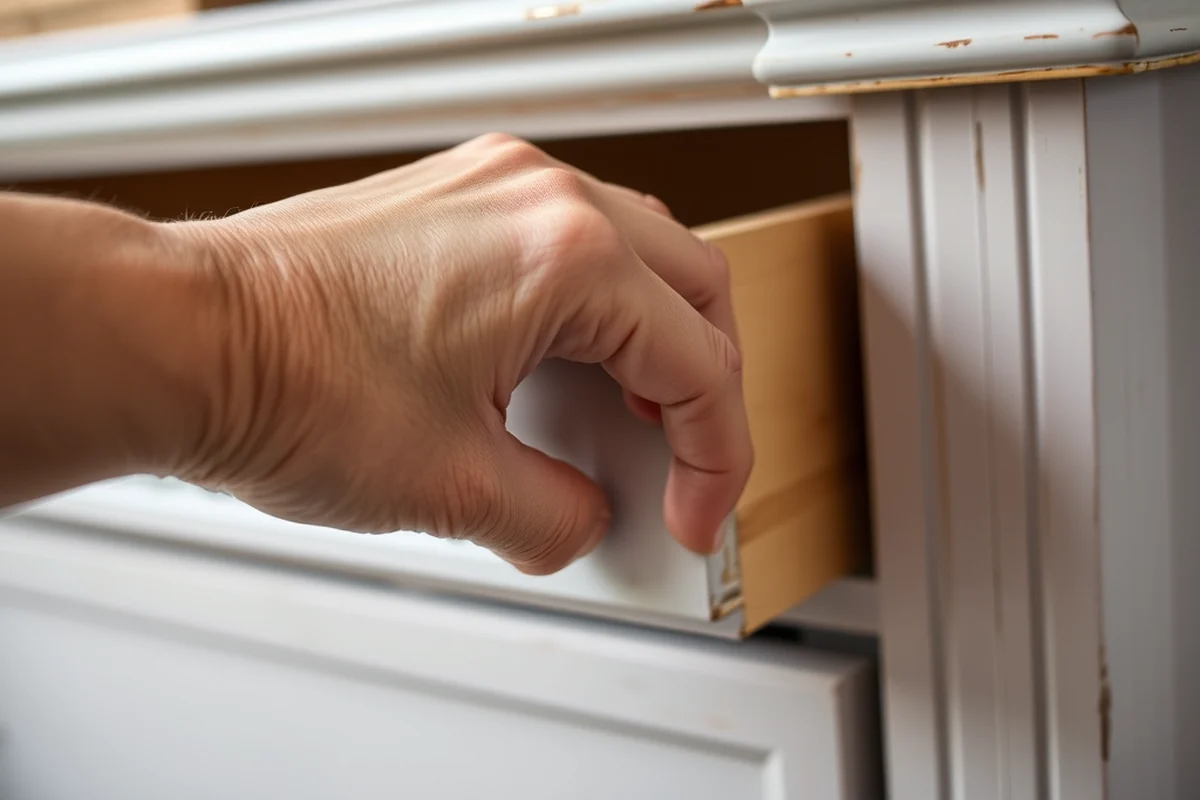
Texture is often overlooked with outdoor furniture, but it can make a huge difference in how a space feels. I found that mixing smooth, glossy surfaces with rougher, more tactile materials created a balanced and visually interesting look. For example, pairing a sleek glass table with a woven wicker chair added depth and contrast to my patio.
Incorporating texture doesn’t always mean buying new furniture. You can use materials like felt, jute, or even faux fur to add dimension to your cushions and throws. I discovered that using a jute rug on my wooden floor not only added texture but also helped protect the wood from sun damage and foot traffic.
Layering different textures can also help create a sense of warmth and comfort in an outdoor space. For instance, I paired a smooth, white cushion with a textured, chunky knit throw and a woven basket for holding outdoor essentials. The result was a space that felt both stylish and cozy, even on cooler days.
Texture is the silent hero of any outdoor refresh — don't overlook it.
Related: Outdoor furniture refresh color ideas
The Right Tools for the Job: What You’ll Need
I initially underestimated the importance of having the right tools, which led to some frustration and wasted time. After a few trial runs, I realized that a good quality paintbrush, a set of sanding pads, and a small roller were essential for achieving a smooth, even finish. I also found that using a primer specifically designed for outdoor use helped the paint adhere better and last longer.
Another tool that I didn’t anticipate needing was a small caulk gun. I used it to fill in small cracks in my metal table legs, which not only improved the appearance but also prevented rust from forming over time. A small utility knife was also useful for cutting fabric and foam for custom cushions.
Investing in a few high-quality tools can save you time and effort in the long run. I now keep a dedicated set of tools for my DIY projects, and it’s made a huge difference in how smoothly each project goes.
Different materials require different tools. For example, when painting wood, I use a brush with a synthetic bristle for a smooth finish, while when working with metal, I use a spray paint for even coverage. Always match your tools to the surface you're working on for the best results.
“Last summer, I sat on a weathered wicker chair that had seen better days — sun-bleached, faded, and barely holding together.”— Patioreborn editors
Related: Outdoor furniture refresh color style ideas examples
Avoiding Common Mistakes in Outdoor Furniture Refresh Projects
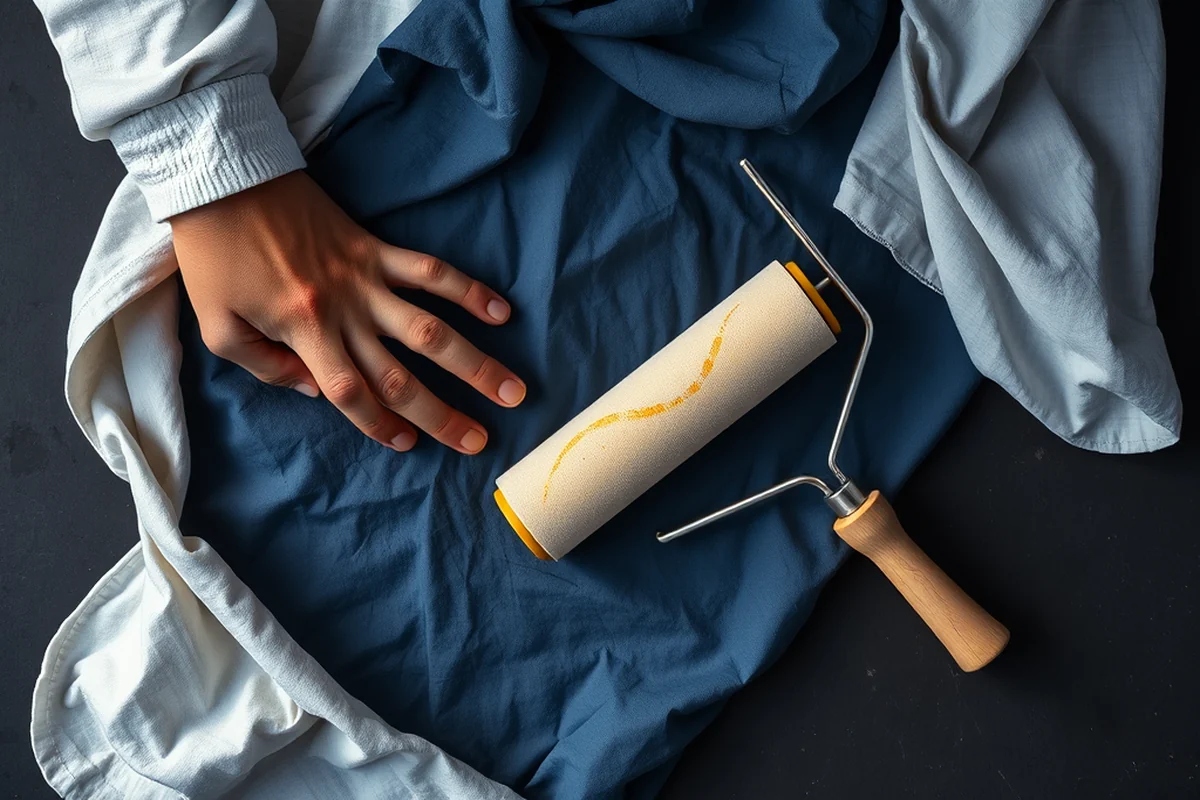
One of the biggest mistakes I made early on was not preparing the surface properly. I tried painting directly over a weathered wooden table without sanding or priming it first, and the paint didn’t stick well. After a few days, the paint started peeling. I learned that surface preparation is just as important as choosing the right color or material.
Another mistake was not considering the weather when working on outdoor projects. I once tried to paint my metal chairs on a humid day, and the paint didn’t dry properly. The result was a mottled, uneven finish that I had to scrape off and start over. Always check the weather forecast and avoid working in extreme temperatures or high humidity.
Not accounting for the material’s durability was another mistake I made. I used a fabric that wasn’t UV-resistant on my cushions, and within a few weeks, the colors began to fade and the fabric started to crack. I now always look for materials specifically labeled as outdoor-safe when purchasing new items for my patio.
Related: How to outdoor furniture refresh color style ideas
Finishing Touches: How to Elevate Your Outdoor Space
After refreshing my furniture, I realized that the small details — like adding a few decorative pillows, a well-placed lantern, or a stylish planter — made all the difference in how my patio looked and felt. These finishing touches helped tie the space together and added a sense of personality and comfort.
I also found that using matching or complementary accessories helped create a cohesive look. For example, adding a set of small, decorative trays in a similar color or material to my cushions helped tie the space together visually. Even simple items like a set of matching drink coasters made my outdoor space feel more polished and put-together.
Finally, I made sure to add a few plants or greenery to my outdoor space. Plants not only add life and color, but they also help soften the look of your furniture and make the space feel more natural and inviting. I used a combination of potted plants and hanging baskets to create a lush, vibrant look.
💰 Budget Build
Refresh your outdoor space with minimal cost by using affordable materials like paint, fabric, and secondhand furniture.
📅 Weekend Version
Complete a full outdoor furniture refresh in a single weekend with a focused, step-by-step approach.
✨ Upgraded Finish
Take your outdoor refresh to the next level with high-quality materials like UV-resistant fabric and premium paints.
🏠 Small-Space Adaptation
Tailor your outdoor refresh to fit small spaces with compact furniture and space-saving storage solutions.
🔒 Rental-Safe Option
Use non-permanent solutions like removable paint, temporary fabric covers, and easy-to-clean materials for rental properties.
| The mistake | Why it happens | The fix |
|---|---|---|
| Not preparing the surface properly | Failing to clean, sand, or prime the furniture before painting or staining can lead to uneven results and a shorter lifespan for your refresh. | Always clean and sand the surface thoroughly before applying any paint or stain. Use a primer designed for outdoor use to ensure better adhesion and durability. |
| Working in extreme weather conditions | Painting or staining in direct sunlight, high humidity, or freezing temperatures can cause the materials to dry improperly and lead to a poor finish. | Check the weather forecast before starting your project and choose a day with mild temperatures and low humidity for the best results. |
| Using non-UV-resistant materials | Materials that aren’t designed for outdoor use, like regular fabric or paint, can fade, crack, or peel quickly when exposed to the sun and weather. | Always use UV-resistant materials, such as outdoor-specific fabrics, paints, and stains, to ensure your refresh lasts longer and looks better. |
| Ignoring the durability of the materials | Using materials that aren’t suitable for the specific surface or outdoor conditions can lead to damage and the need for frequent reapplication. | Choose materials that are compatible with the surface you're working on and that are designed for outdoor use. If in doubt, consult a professional or do some research on the best products for your specific project. |
Related: Outdoor furniture refresh color style ideas checklist
Outdoor Furniture Refresh Color Style Ideas Mistakes To Avoid
Related: How to outdoor furniture refresh color
Common Questions
What’s the best way to clean outdoor furniture before a refresh?
Can I use regular paint on my outdoor furniture?
How long does an outdoor furniture refresh typically last?
What should I do if my furniture is made of a material I’m not sure how to refresh?
References
- (PDF) VISUAL MERCHANDISING - Academia.edu (academia.edu)
- Waterwise Gardener - Otay Water District (otaywater.gov)
- VMI Insitute Design Guide (vmi.edu)
- Personal Enrichment Courses | Wake Tech (waketech.edu)
Cite this guide
Patioreborn (2026). Outdoor Furniture Refresh Color Style Ideas Mistakes To Avoid. https://patioreborn.com/outdoor-furniture-refresh-color-style-ideas-mistakes-to-avoid/
Feel free to cite or share this guide.