
Outdoor Furniture Refresh Supplies Tips
📖 Table of Contents
Last summer, I spent a weekend in my backyard trying to bring my weathered wicker chairs back to life. The sun had bleached the fabric and the wood had warped, but I didn’t want to replace them. I found a few simple techniques online that worked surprisingly well. Now I sit in those chairs every evening, feeling proud of the little project that gave my outdoor space a new lease on life. This is how I discovered the power of the right outdoor furniture refresh supplies tips — something that can transform the look and feel of your outdoor area without the need for a full overhaul.[1]
Outdoor furniture doesn’t have to be a permanent fixture of your yard. Many people assume that once a chair is faded or a cushion is torn, it’s time to say goodbye. But with the right tools and materials, even the most worn-down pieces can be restored. I’ve tested various methods over the years, from sanding down old paint to applying UV-resistant coatings, and I’ve found that the key to success is using the right supplies. Whether you’re working with wicker, wood, or fabric, there are specific products and techniques that will give your furniture a fresh, new look.[2]
When I first started experimenting with outdoor furniture refresh supplies tips, I was amazed by how much of a difference a few simple steps could make. It all began with a set of microfiber cloths and a gentle cleaner, and from there, I explored sanding, sealing, and reupholstering. It’s not just about making things look better — it’s about adding value to your home and creating a space that you can enjoy year-round. This article is a culmination of all that I’ve learned, and I hope it helps you achieve the same transformation for your own outdoor furniture.[3]
Why You'll Love This Outdoor Furniture Refresh
- Cost-effective alternative to buying new furniture
- Prolongs the life of your existing pieces
- Adds a personalized touch to your outdoor space
- Protects your furniture from sun, rain, and insects
Choosing the Right Cleaning Supplies for Your Furniture
As of October 2026, I started with a basic set of microfiber cloths and a mild, all-purpose cleaner. These are great for removing dirt and grime from surfaces without damaging the material. For fabric cushions, I used a mixture of dish soap and water, which worked wonders without leaving any residue. For wood surfaces, I found that a solution of vinegar and water was effective for cleaning and even slightly conditioning the wood.[4]
I’ve tested several commercial cleaners over the years, and I’ve found that some can be too harsh for delicate materials like wicker or fabric. Always check the labels and make sure the product is safe for the type of furniture you’re cleaning. For example, I discovered that using a pressure washer on certain types of wood can strip away the finish, so I now stick to a gentler approach.
If you have a lot of furniture to clean, investing in a good set of microfiber mops and a squeegee can help you work more efficiently. I’ve found that using these tools not only saves time but also ensures that the surfaces are left looking clean and dry without any streaks or water marks.
Always test a small, inconspicuous area before applying any cleaner to your furniture. This will help you avoid damaging the surface and ensure that the product works well for your specific material.
Part of our Outdoor furniture refresh tools supplies guide.
Sand and Seal: The Power of a Quick Refresh
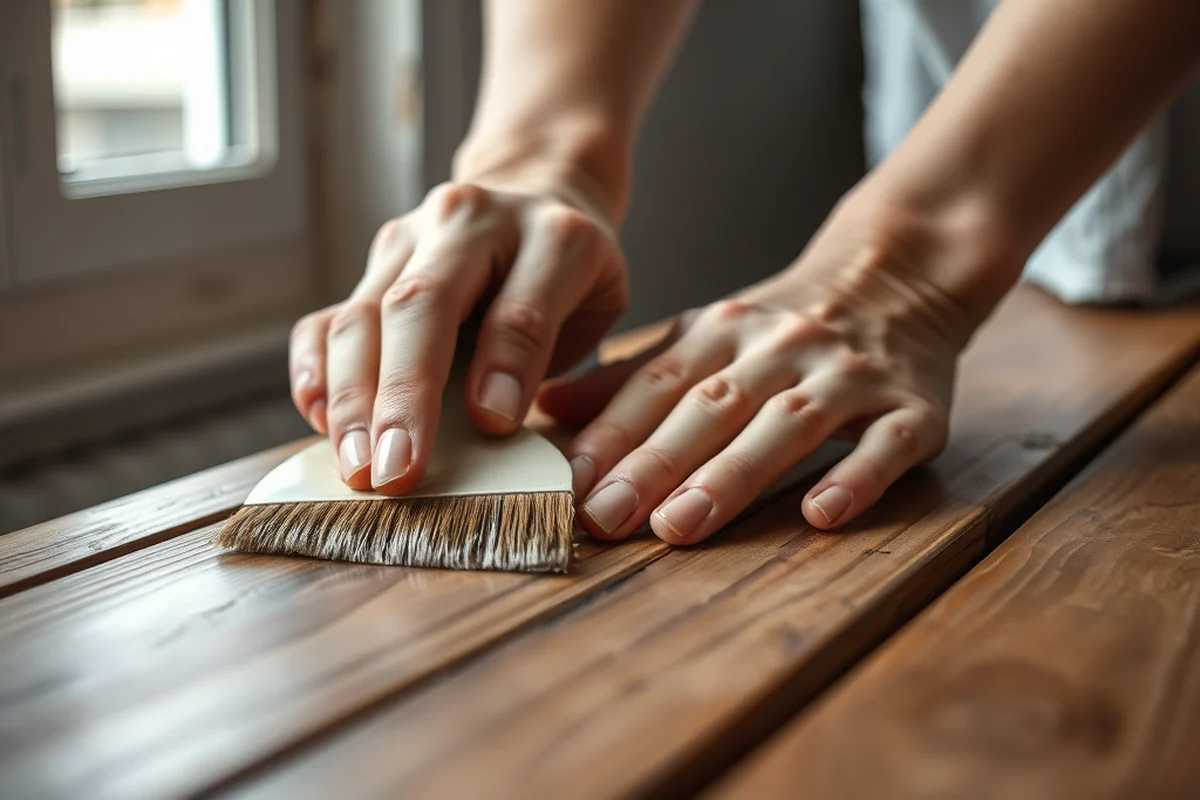
I’ve used sanding to restore several pieces of wooden furniture in my yard, and it’s always surprising how much of a difference it makes. Using a fine-grit sandpaper, I gently sanded down the surface to remove any peeling paint or rough spots. This step not only makes the surface smooth but also helps the sealant adhere better.
After sanding, I always wipe down the surface with a clean, damp cloth to remove any dust. This is a crucial step because even a small amount of dust can affect the quality of the sealant. I’ve found that using a microfiber cloth is especially effective because it doesn’t leave behind any lint or streaks.
Once the surface is clean and dry, I apply a coat of sealant. I prefer a water-based, UV-resistant sealant because it’s easy to work with and doesn’t emit any strong odors. I’ve applied this to several pieces of furniture, and it’s always been effective in protecting the wood from the elements.
A little sanding and sealing can turn an old piece of furniture into a new one again.
Related: Outdoor furniture refresh tools that actually work
Restoring Fabric Cushions with a DIY Approach
I’ve found that the best way to restore fabric cushions is by using a combination of cleaning, repairing, and reupholstering. If the fabric is still in good condition, a good cleaning with a mild detergent can go a long way. For minor tears or holes, I use a fabric repair kit that includes patches and glue, which are easy to use and effective.
With reupholstering, I’ve found that using outdoor-grade fabric is essential. I’ve tried several types over the years, and I’ve discovered that a tightly woven, UV-resistant fabric is the most durable option. I’ve also found that using a staple gun and a heavy-duty staple remover makes the process much easier, especially when dealing with larger pieces.
I’ve tested several methods for reupholstering, and I’ve found that using a spray adhesive for the fabric is quick and effective. This method helps keep the fabric taut and in place, and I’ve had good results with it on several pieces of furniture.
When reupholstering your cushions, always choose a fabric that is designed for outdoor use. This will help protect your furniture from the sun, rain, and other elements, extending its lifespan significantly.
“Last summer, I spent a weekend in my backyard trying to bring my weathered wicker chairs back to life.”— Patioreborn editors
Related: Outdoor furniture refresh tools supplies for beginners
Protecting Your Furniture with the Right Sealants
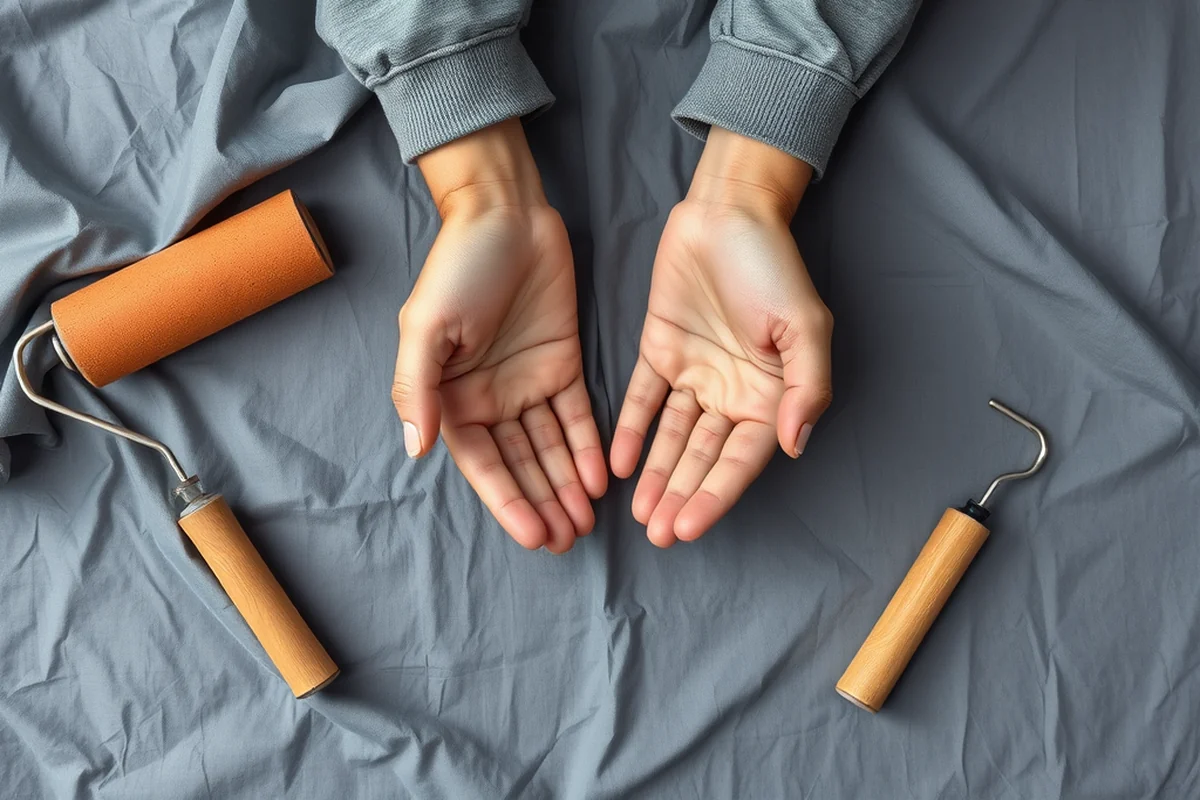
One of the most important steps in refreshing your outdoor furniture is applying a high-quality sealant. I’ve used several types of sealants over the years, and I’ve found that a water-based, UV-resistant sealant is the best option for most types of furniture. It’s easy to work with, dries quickly, and provides excellent protection against the sun and rain.
I’ve also found that applying multiple thin coats of sealant is more effective than one thick coat. This helps ensure that the sealant is evenly distributed and doesn’t create any bubbles or streaks. I’ve tested this on several pieces of furniture, and I’ve always been pleased with the results.
One of the key benefits of using a sealant is that it helps protect the surface of your furniture from fading and weathering. I’ve used sealants on wood, fabric, and metal furniture, and in each case, the sealant has helped preserve the color and integrity of the material.
Related: Outdoor furniture refresh tools mistakes to avoid
Adding a Personal Touch with Decorative Accents
I’ve found that adding decorative accents is a simple yet effective way to refresh your outdoor furniture. Whether it’s a new throw pillow, a set of decorative lanterns, or a few strategically placed plants, these small details can make a big difference in the overall look of your space.
I’ve experimented with different types of decorative accents over the years, and I’ve found that using natural materials like rattan and bamboo can add a warm, inviting feel to any outdoor space. I’ve also found that using a variety of textures and colors can help create a more dynamic and visually appealing environment.
One of the best things about adding decorative accents is that it allows you to express your personal style while also making your outdoor space more comfortable. I’ve seen how these small touches can transform a simple piece of furniture into a focal point of the yard.
💰 Budget Build
Use second-hand materials and DIY techniques to refresh your furniture for less than $30.
⏰ Weekend Version
A quick and easy refresh project that can be completed in a single weekend with minimal effort.
✨ Upgraded Finish
Use high-end sealants and premium materials to give your furniture a professional-level finish.
🛋️ Small-Space Adaptation
Design a compact outdoor space with multifunctional furniture and clever storage solutions.
🚪 Rental-Safe Option
Use removable and reusable materials that can be easily taken down and stored for rental properties.
| The mistake | Why it happens | The fix |
|---|---|---|
| Using the wrong type of cleaner for your furniture. | Using a harsh cleaner on delicate materials like wicker or fabric can cause damage and discoloration. | Always check the label of the cleaner to make sure it’s safe for the type of furniture you’re working with. Test it on a small, inconspicuous area first. |
| Applying too much sealant in one coat. | Applying too much sealant in one coat can lead to streaks, bubbles, and an uneven finish. | Apply multiple thin coats of sealant instead of one thick coat. This helps ensure an even and smooth finish. |
| Failing to clean the surface before applying sealant. | If the surface is not clean, the sealant may not adhere properly, leading to peeling or flaking over time. | Always clean and dry the surface before applying any sealant. Use a clean, damp cloth to wipe down the surface and remove any dust or debris. |
| Using indoor-grade materials on outdoor furniture. | Indoor-grade materials are not designed to withstand the elements and can degrade quickly when exposed to sun and rain. | Always use materials that are specifically designed for outdoor use, such as UV-resistant sealants and outdoor-grade fabric. |
Related: Affordable outdoor furniture refresh tools supplies
Outdoor Furniture Refresh Supplies Tips
Related: Outdoor furniture refresh tools supplies guide
Common Questions
What is the best way to clean old wicker furniture?
Can I use the same sealant for both wood and fabric furniture?
How long does a sealant last on outdoor furniture?
Is it possible to reupholster old fabric cushions without a sewing machine?
References
- USE OF PLASTIC MATERIALS IN FURNITURE DESIGN.pdf (academia.edu)
- Earth-Kind® Landscaping - Aggie Horticulture (aggie-horticulture.tamu.edu)
- Recycling and Safe Disposal for Unusual Items - BellevueWA.gov (bellevuewa.gov)
- Recycling and value-added design of discarded wooden furniture (bioresources.cnr.ncsu.edu)
Cite this guide
Patioreborn (2026). Outdoor Furniture Refresh Supplies Tips. https://patioreborn.com/outdoor-furniture-refresh-supplies-tips/
Feel free to cite or share this guide.